Why You Need a Water Softener and How It Can Transform Your Home
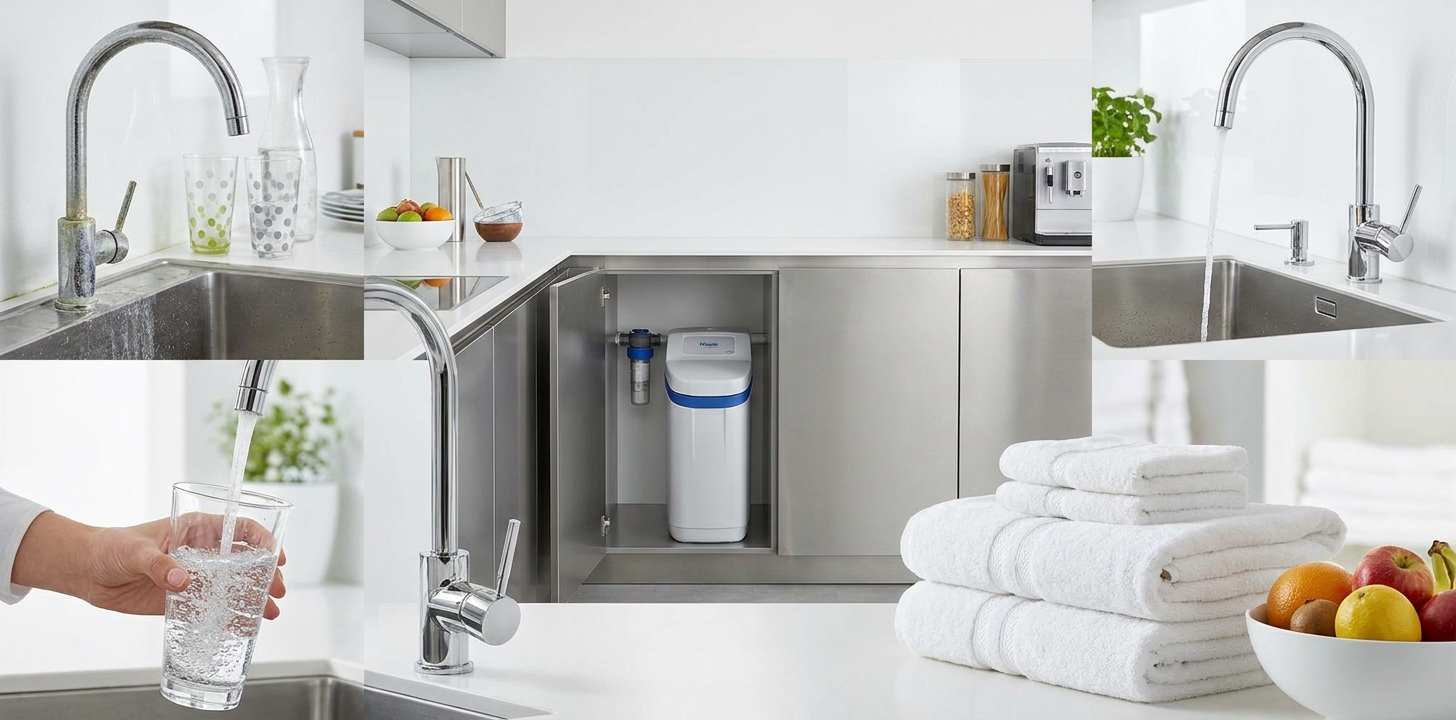
Understanding Hard Water Problems
If you've ever noticed a white, chalky residue on your dishes after washing them or a film of soap scum on your bathroom tiles, you may be dealing with hard water. Hard water is water that has a high mineral content, particularly calcium and magnesium. This is widespread in many areas, and while it may seem harmless, hard water can lead to numerous problems in your home.
The Impact of Hard Water on Your Daily Life
Hard water can be more than just an annoyance. Over time, it can cause serious damage to your plumbing and appliances. Here are some common issues:
These issues can accumulate over time, leading to frustrations and financial burdens that could otherwise be avoided. That's why addressing the hardness of your water is crucial.
Why Investing in a Water Softener Matters
Understanding the importance of a water softener is vital for your family's health and well-being. Soft water can lead to numerous improvements in your home life:
Finding the Right Water Softener for Your Home
When considering a water softener, it’s essential to choose one that fits your home’s specific needs. Here are some factors to think about:
1. Size and Capacity
Water softeners come in various sizes. Selecting one based on your household's water usage is critical. A water softener that’s too small won’t effectively handle the demand, while an oversized unit can lead to inefficiencies and higher costs.
2. Type of Water Softener
There are different types of water softeners available, including:
3. Installation and Maintenance
Consider whether you prefer a DIY installation or a professional service. Most systems require minimal maintenance, but it's wise to ask about what’s involved in maintaining your chosen model. Regular salt refills and filter changes or cleaning procedures will keep your softener running smoothly.
If you’re unsure where to start, seeking advice from a local expert can clarify your options. Rocareindia official is a valuable resource for detailed information about water softeners specific to your area. Their experts can guide you through the selection process and recommend a system that suits your needs.
The Installation Process
Once you've selected a water softener, the installation is a vital step in ensuring it functions correctly. Here’s how it typically goes:
The Benefits of Ongoing Maintenance
Maintaining your water softening system is essential for long-term performance. Here’s why:
Conclusion: Make the Change Today
Living with hard water doesn’t have to be your reality. Investing in a water softener can dramatically improve your quality of life, enhancing everything from your skin and hair health to the longevity of your home’s plumbing and appliances. By addressing the issue of hard water today, you can prevent future frustrations and expenses.
If you're ready to make the switch, reach out to local professionals to discuss your options. Remember, choosing the right system tailored to your home’s needs is the first step toward a more comfortable and efficient living environment. Don’t let hard water hold you back - the solution is just a decision away.

Comments
Post a Comment