5 Questions About Your DM Plant Service in Agra
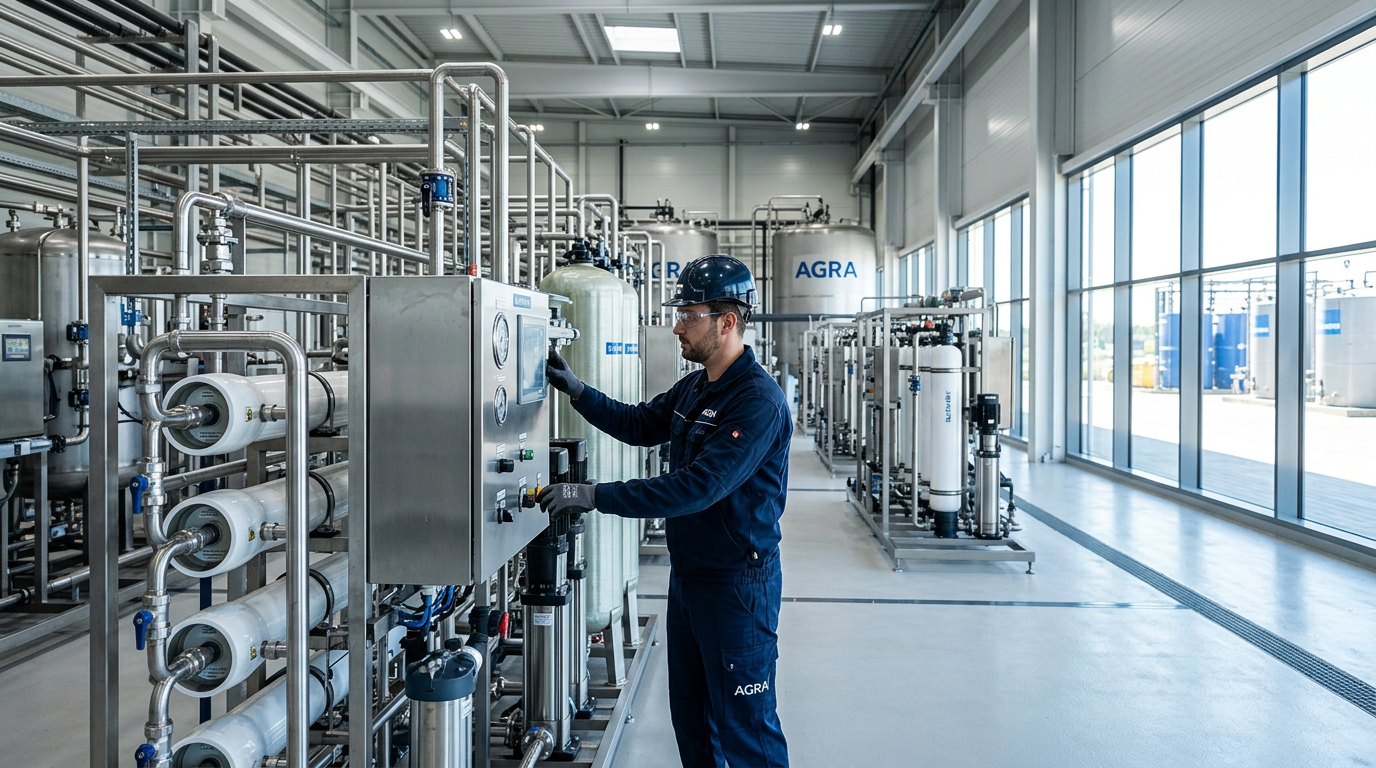
A common mistake business owners make is waiting for their demineralized water plant to fail completely before calling for help. That slight drop in water quality or the new, weird noise? It's easy to ignore, but it's often a sign of bigger trouble. Proactive maintenance is always cheaper than a full-scale emergency repair. Setting up a regular DM plant AMC AGRA can save you from costly downtime and ensure your operations run smoothly.
To help you stay ahead of problems, we've gathered some of the most common questions we hear from clients about their DM plant service needs.
What are the signs my DM plant needs servicing?
Your DM plant will usually give you warnings before it stops working. You just have to know what to look for. Paying attention to these small changes can prevent a major, production-halting breakdown.
The most obvious sign is a drop in water quality. If your treated water's conductivity or TDS (Total Dissolved Solids) level starts creeping up, it’s a clear signal that the ion exchange process isn't working as it should. This could be due to exhausted resin or a problem with the regeneration cycle.
Also, listen to your equipment. Any new or unusual sounds like grinding, clanking, or high-pitched whines from pumps or motors are red flags. Similarly, excessive vibration means something is out of balance. Don't forget to do a visual check for leaks around pipes, valves, and tank seals, or signs of corrosion on the plant's structure.
How often should I get my DM plant serviced in Agra?
There isn't a single answer that fits every plant, as the ideal frequency depends heavily on your specific situation. The main factors are how much you use the plant and the quality of the raw water it's treating.
As a general rule, a plant under heavy, continuous use should have a professional check-up every three to four months. For plants with more moderate or intermittent use, a bi-annual service (every six months) is usually sufficient. The raw water quality in the Agra region can also play a role; harder water with more minerals may require more frequent resin regeneration and system checks.
The best approach is to start with a professional assessment. A technician can evaluate your plant's condition, your operational demands, and recommend a service schedule tailored to your business.
What does a typical DM plant service include?
A professional service call is much more than just a quick look-around. It’s a comprehensive health check for your entire system to ensure every component is working correctly and efficiently. Think of it like a full diagnostic for your car, not just an oil change.
A standard service visit typically includes:
- Resin Bed Inspection: Checking the health and level of the cation and anion resins, which are the heart of your DM plant.
- System and Pump Check: Inspecting all pumps, motors, and valves for proper operation, leaks, and unusual wear.
- Instrument Calibration: Testing and calibrating crucial monitoring tools like flow meters, pressure gauges, and conductivity/TDS meters to ensure accurate readings.
- Regeneration Cycle Review: Verifying that the automatic or manual regeneration process is functioning correctly, including the proper dosing of acid and alkali.
- Leak and Corrosion Scan: A thorough visual inspection of the entire assembly, including all piping, tanks, and structural supports, to catch small issues before they become big ones.
What's the approximate cost for water treatment plant service in Agra?
Budgeting for maintenance is a smart move, and the costs are quite predictable. The price depends on whether you opt for a one-off service call or a long-term contract.
For a single, reactive service visit in Agra, you can expect to pay anywhere from ₹2,500 to ₹5,000. This price varies based on the size of your DM plant and the complexity of the problem being addressed. This option is best for sudden, unexpected issues.
A more cost-effective solution for most businesses is an Annual Maintenance Contract (AMC). An AMC in Agra typically ranges from ₹8,000 to ₹15,000 per year. This usually includes two to four scheduled preventive maintenance visits, plus priority support for any emergency calls. Over a year, an AMC almost always works out to be cheaper and prevents the kind of costly breakdowns that come from neglect.
How long does a service appointment usually take?
We understand that downtime costs you money, so we aim to work as efficiently as possible. The time needed for a service call depends on the type of work being done.
A standard preventive maintenance visit under an AMC is quite streamlined. These appointments usually take between 2 and 4 hours from start to finish. During this time, the technician will run through their full checklist, perform calibrations, and make minor adjustments.
However, if the service call is for a repair, the timeline can change. Diagnosing a complex problem might take an hour or two on its own. If a major part needs to be replaced or the resin beds require a complete change-out, the job could take a full day. The technician will always give you a clear time estimate after their initial diagnosis.
Can I do any maintenance myself, or should I always call a professional?
A combination of both is the best strategy. There are simple daily checks you and your team can perform to keep an eye on the system's health. This is a great way to catch problems early.
Your team can easily handle daily log-keeping of pressure and flow readings, visually checking for leaks, and monitoring the final water quality. This basic monitoring helps you create a performance baseline, making it easier to spot when something is wrong. Think of it as first-level surveillance.
For more technical tasks, however, it’s best to call for professional water treatment plant service in Agra. Tasks like handling regeneration chemicals (acid and caustic), performing internal inspections of tanks, troubleshooting electrical components, or calibrating sensitive instruments require specialized training and equipment. Trying to perform these tasks without the right expertise can be ineffective and, more importantly, unsafe for your staff and your equipment.

Comments
Post a Comment