7 Factors Affecting 500 LPH RO Plant Price in Hyderabad
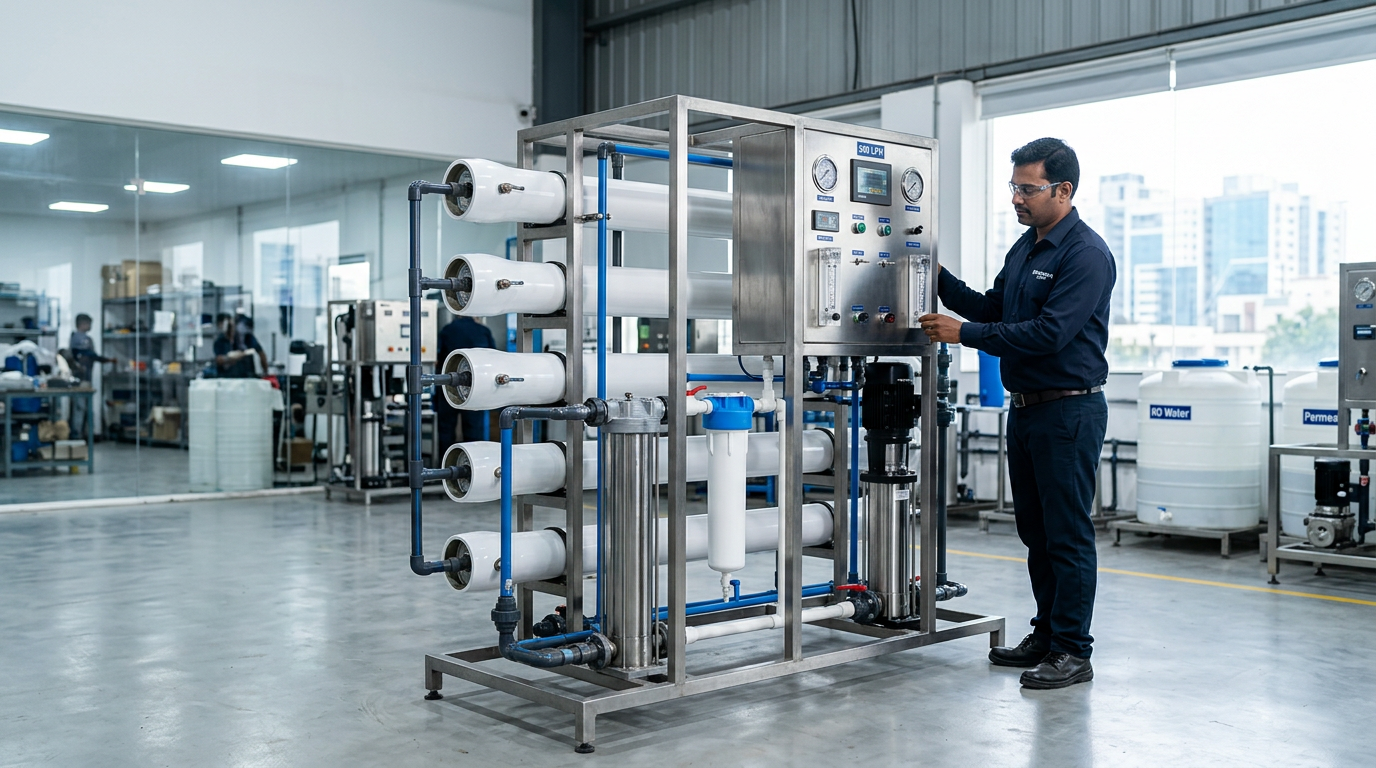
The price for a 500 LPH RO plant in Hyderabad typically ranges from ₹75,000 to ₹1,50,000, depending on several key factors. This cost covers the core system, but variations in components, water quality, and installation requirements cause the price to fluctuate. For businesses, schools, or small communities, understanding these details is crucial to making a smart investment. You can find a detailed breakdown and get a precise quote by exploring the ro water plant 500 lph price in hyderabad to ensure you get the right system for your needs.
1. Raw Water Quality and TDS Level
The single biggest factor influencing the cost is the quality of your input water, specifically its Total Dissolved Solids (TDS) level. TDS measures the concentration of minerals, salts, and metals dissolved in water. Water with a high TDS level (above 800-1000 ppm) is harder to purify and requires more robust equipment.
A system designed for high-TDS water needs a more powerful high-pressure pump and specialized membranes that can handle the load. This naturally increases the price. Before any supplier gives you a final quote, they should perform a water test. This analysis determines the exact specifications needed for your plant, ensuring it works efficiently and doesn't fail prematurely.
2. Quality and Type of Components
A 500 LPH RO plant is an assembly of various parts, and their quality significantly impacts the final cost. Key components include the RO membranes, high-pressure pump, and the frame or skid. Reputable brands for membranes like DOW FilmTec or Hydranautics cost more than generic ones but offer better performance and a longer lifespan.
Similarly, a reliable pump from a brand like Grundfos or CRI is more expensive but ensures consistent pressure and durability. The material of the frame also matters. A full stainless steel (SS) skid is rust-proof and very durable but costs more than a mild steel (MS) or Fiber Reinforced Plastic (FRP) frame.
3. The Pre-Treatment System
Raw water cannot be fed directly into the RO membranes; it will clog and ruin them quickly. A pre-treatment system is essential to filter out larger contaminants first. The complexity of this system depends on your raw water analysis.
A standard pre-treatment setup includes:
- Sand Filter: Removes suspended solids like dirt, silt, and rust.
- Carbon Filter: Removes chlorine, odors, and organic compounds that can damage the membranes.
- Antiscalant Dosing System: Injects a chemical to prevent scaling on the membranes, especially in hard water areas common in Hyderabad.
If your water has very high hardness or iron content, you may need an additional water softener or iron removal filter, which will add to the overall price.
4. Level of Automation and Controls
You can choose from different levels of automation, each with a different price point. A fully manual plant requires an operator to switch it on/off and perform regular flushing. This is the most budget-friendly option.
A semi-automatic system includes basic automation like automatic flushing and level sensors in the tanks to turn the plant on and off as needed. This reduces manual oversight and protects the pump from running dry. A fully automatic plant uses a Programmable Logic Controller (PLC) panel, which manages the entire process, provides real-time data, and has advanced safety features. While the most expensive, it's ideal for critical applications where consistent operation is key.
5. Post-Treatment Requirements
After water passes through the RO membranes, it is extremely pure. However, for some applications, especially drinking water, post-treatment is necessary. This is another area that affects the final cost.
Common post-treatment options include:
- UV Sterilizer: A UV lamp disinfects the water by killing any remaining bacteria and viruses, ensuring it is microbiologically safe to drink.
- TDS Adjuster: This allows a small amount of filtered, non-RO water to be blended back in. This process reintroduces some essential minerals, improving the taste of the water.
These additions are vital for providing safe and palatable drinking water for offices, schools, or housing communities.
6. Installation Complexity and Site Conditions
The price quoted usually assumes a straightforward installation on a ground floor with easy access to water and electrical points. If the installation site is complex, the cost will increase. Factors that add to the cost include installing the plant on a rooftop, requiring long pipelines, or needing significant civil or electrical work to prepare the site.
Furthermore, the cost of water storage tanks is often not included in the base price of the plant. You will need a tank for raw water and another for the purified water. The size and material (plastic or stainless steel) of these tanks will be an additional expense to consider.
7. Brand Reputation and After-Sales Support
Choosing a supplier with a strong reputation and a service presence in Hyderabad is a wise long-term decision. Established vendors may have a slightly higher initial price, but this often translates to higher-quality components, professional installation, and reliable after-sales support. A cheaper plant from an unknown supplier can lead to frequent breakdowns and expensive repairs.
Always ask about the warranty period, especially for the high-pressure pump and RO membranes. Inquire about the availability and cost of an Annual Maintenance Contract (AMC). Reliable service is crucial for keeping your RO plant running efficiently for years to come.
What Is Typically Included in the Price?
A standard quote for a 500 LPH RO plant generally includes the main unit, which is a skid-mounted system containing:
- Pre-treatment filters (Sand and Carbon)
- Antiscalant dosing system
- High-pressure pump
- RO membrane housings with membranes
- Basic control panel with pressure gauges and flow meters
- Standard plumbing on the skid
Items that are often quoted separately include storage tanks, UV sterilizers, extensive site plumbing, and transportation to remote locations.
How Long Does Installation Take?
For a standard 500 LPH plant, installation typically takes 2 to 4 days. This timeline includes the delivery of the system, assembly of the components on-site, connecting the plumbing and electrical wiring, and commissioning the plant. Commissioning involves running the plant, checking all operational parameters, and making any necessary adjustments to ensure optimal performance.

Comments
Post a Comment