A Beginner's Guide to Choosing the Right RO Plant for Your Home
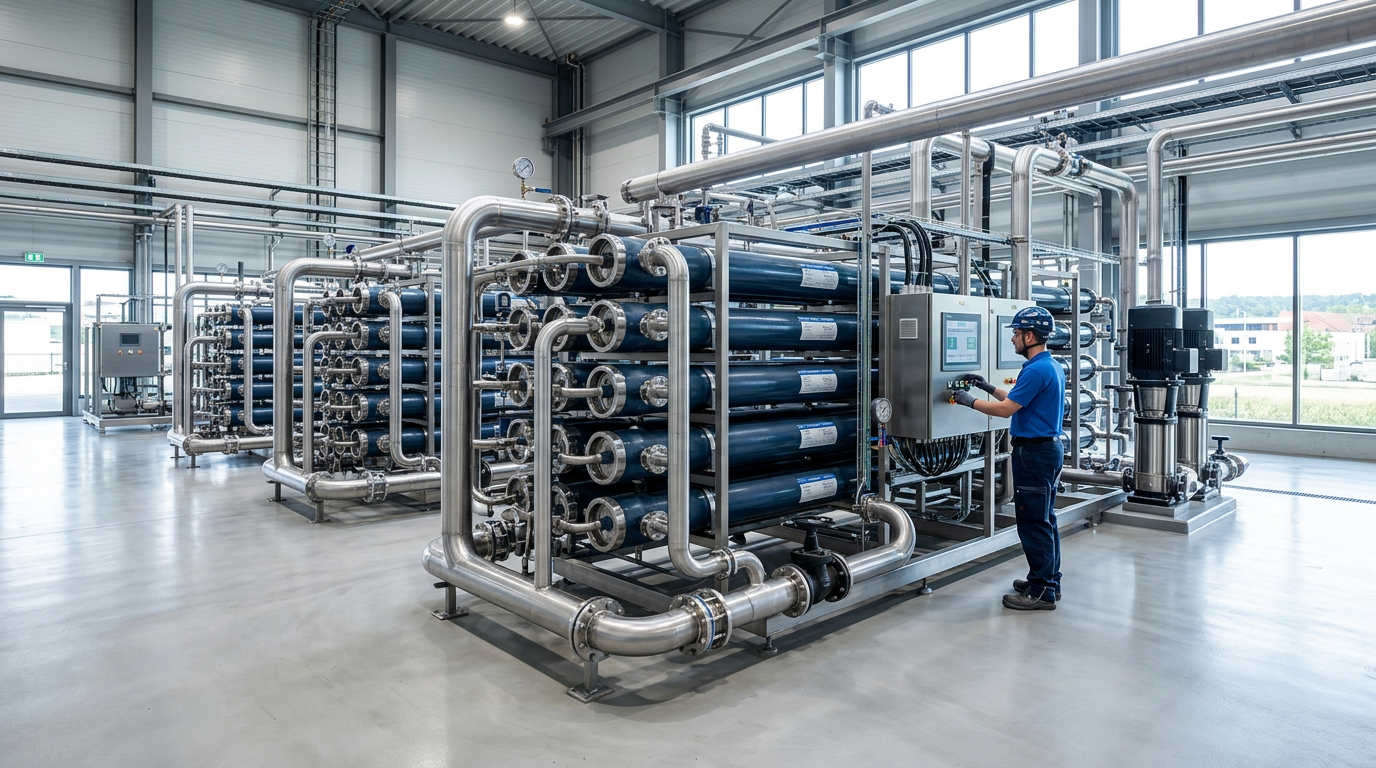
Understanding RO Plants and Their Importance
An RO plant, or reverse osmosis plant, is essential for ensuring that your water is clean and safe for consumption. With the rising concerns of water quality in Agra, investing in an RO plant is becoming increasingly important. Not only does it remove harmful contaminants, but it also improves the taste and quality of your drinking water. To learn more about trusted providers, you can check out an Industrial RO Plant Manufacturer in Agra for expert guidance and options.
Common Water Problems That RO Plants Address
Many households face various water quality issues that RO plants can effectively tackle. Common problems include:
- Hard Water: Excessive hardness leads to scale buildup in plumbing and appliances.
- Chlorine and Other Chemicals: Water treatment plants often use chlorine to disinfect, which can create an unpleasant taste and odor.
- Heavy Metals and Contaminants: Metals like lead, arsenic, and mercury can be found in water sources, posing health risks.
- Microbial Contaminants: Bacteria, viruses, and other pathogens can make water unsafe for drinking.
Why Clean Drinking Water Matters
Ensuring access to clean drinking water is crucial for your health and well-being. Contaminated water can lead to serious health issues, including gastrointestinal diseases and long-term health complications. In Agra, where water pollution can be prevalent, a reliable RO plant system safeguards your family from these risks. It not only purifies water but also ensures that everyone is drinking healthy water.
Key Features of a Good RO Plant
When selecting an RO plant for your home, look for these critical features:
- Multi-Stage Filtration: The best RO plants include multiple filtration stages, removing various contaminants effectively.
- Warranty and Service Plans: A good warranty and a comprehensive service plan ensure your system remains functional for years.
- Capacity: Consider your household's daily water usage to choose a plant with adequate capacity. Most residential systems have a capacity of 10-15 liters per hour.
- Energy Efficiency: Look for models that consume less energy to keep your utility bills low.
Typical Costs and Installation Timeframes
The cost of installing an RO plant can vary based on its capacity and features, typically ranging from ₹10,000 to ₹25,000 for a standard home system. Additionally, professional installation often costs between ₹1,000 and ₹2,500, depending on the complexity. Installation usually takes a few hours, provided all necessary fittings are in place.
Warning Signs You Need an RO Plant
If you notice any of the following signs, it may be time to invest in an RO plant:
- Foul Odor or Unpleasant Taste: If your water has a strange smell or taste, it indicates contamination.
- Discoloration: Any change in water color may signify heavy metals or sediment present in your water supply.
- Frequent Appliance Repairs: If you find yourself regularly repairing plumbing fixtures or appliances due to scale buildup, an RO system could help.
- Health Issues: Recurring health problems related to waterborne diseases should prompt you to consider a purification system.
Maintenance Tips for Your RO Plant
Regular maintenance is vital for keeping your RO plant running optimally. Here are some maintenance tips:
- Change Filters Regularly: To maintain water quality, replace pre-filters and post-filters as recommended by the manufacturer, typically every 6-12 months.
- Check Membrane Condition: The RO membrane should be inspected annually and replaced as needed, usually every 2-3 years.
- Sanitize the System: Periodically sanitizing the RO plant helps to eliminate any bacterial growth and keeps the system safe.
- Monitor Water Quality: Conducting regular water quality tests ensures the efficiency of the RO system.
Selecting the Right Service Provider in Agra
When looking for an RO plant service provider in Agra, consider the following:
- Experience: Choose a company with a proven track record in the industry.
- Reviews and Recommendations: Check online reviews and ask for customer testimonials. Positive feedback indicates reliability.
- Customer Support: A responsive customer support system is essential for addressing any issues that may arise.
Conclusion
Selecting an RO plant for your home in Agra is a significant step toward ensuring the safety and quality of your drinking water. By understanding the benefits, costs, and maintenance of these systems, you can make an informed decision. Protect your household's health by investing in a reliable RO plant today!
If you're ready to take the next step, contact a local supplier today to discuss your needs and get a quote.

Comments
Post a Comment