Essential Guide: Water Chiller Plants for Hyderabad Businesses
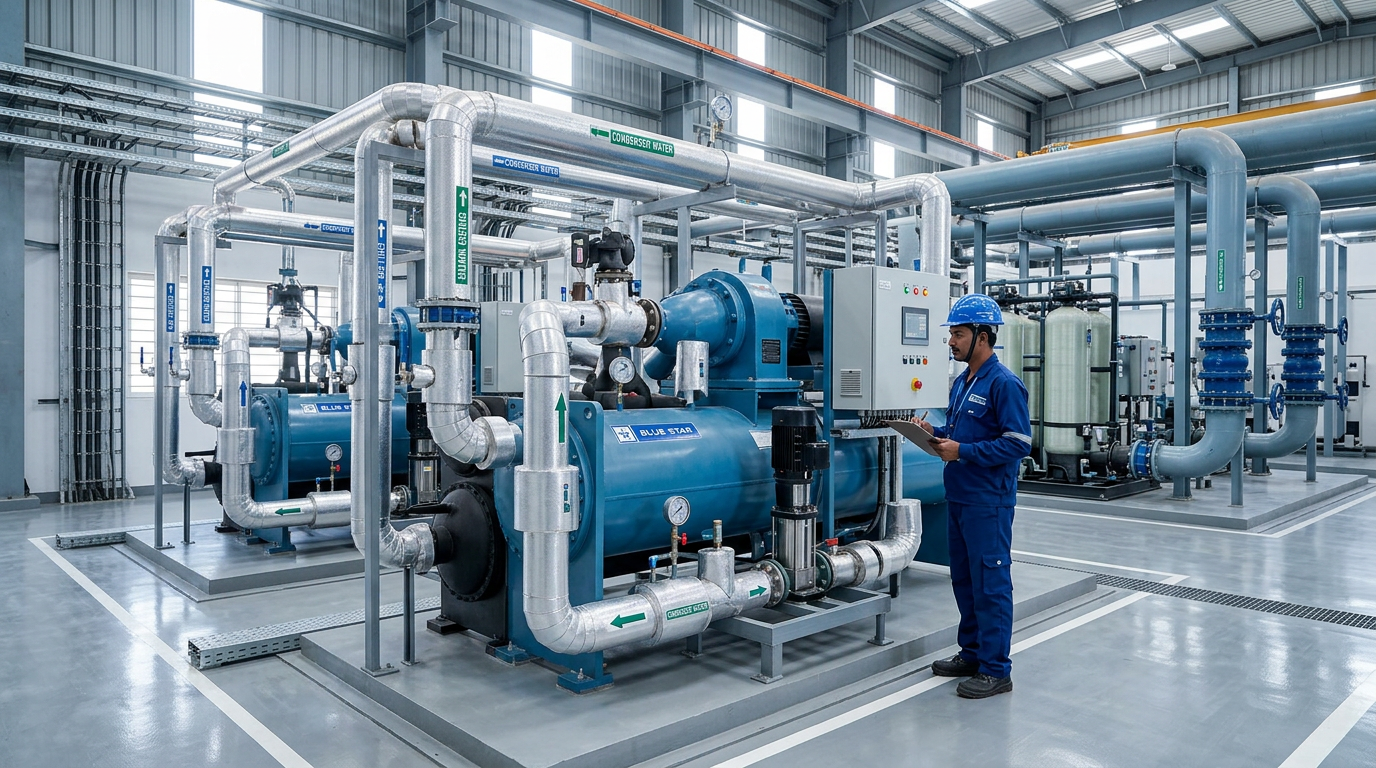
As Hyderabad's vibrant industrial and commercial sectors continue to expand, the demand for efficient and reliable cooling solutions has never been higher. From manufacturing units to data centers, maintaining optimal temperatures is critical for equipment performance, process stability, and even occupant comfort. This often leads businesses to consider robust cooling systems, with the water chiller plant being a cornerstone of large-scale thermal management. If you're looking for an effective solution, exploring options for an industrial water chiller hyderabad is a smart first step towards securing your operational efficiency.
What is a Water Chiller Plant and Why Does Your Business Need One?
A water chiller plant is a refrigeration system that removes heat from a liquid (typically water or a water-glycol solution) and transfers it elsewhere. This chilled liquid then circulates through a facility to cool air, equipment, or processes. Unlike air conditioners that cool air directly, chillers produce cold water which is then used by air handling units, fan coil units, or process cooling loops.
For businesses in Hyderabad, where ambient temperatures can be significant, relying solely on traditional air conditioning for large-scale cooling is often inefficient and costly. Water chiller plants offer a centralized, powerful, and often more energy-efficient alternative for commercial buildings, hospitals, hotels, manufacturing facilities, and more, ensuring consistent cooling performance for critical operations.
How Water-Cooled Chiller Plants Operate
Water-cooled chillers, as the name suggests, utilize water to reject heat from the refrigeration cycle. This process typically involves four main components: an evaporator, a compressor, a condenser, and an expansion valve.
Inside the evaporator, the chilled water loop passes over a refrigerant, causing the refrigerant to evaporate and absorb heat from the water. This cooled water then flows out to the facility. The now-gaseous refrigerant is compressed, increasing its pressure and temperature. It then moves to the condenser, where it exchanges heat with a separate water loop (often connected to a cooling tower). This cooling water carries the heat away, causing the refrigerant to condense back into a liquid. Finally, the liquid refrigerant passes through an expansion valve, reducing its pressure and temperature before it returns to the evaporator to repeat the cycle.
Cooling towers are a crucial part of water-cooled chiller systems, dissipating the heat absorbed by the condenser water into the atmosphere through evaporative cooling. This closed-loop system ensures continuous and efficient cooling for your industrial or commercial needs.
Key Benefits of Investing in a Water Chiller Plant
Installing a water chiller plant offers several compelling advantages for businesses seeking advanced cooling solutions.
Enjoy Greater Energy Efficiency
Water-cooled chiller plants are generally more energy-efficient than their air-cooled counterparts, especially in warmer climates like Hyderabad. Water's superior heat transfer properties allow for more effective heat rejection, leading to lower power consumption and reduced operating costs over time. This efficiency can translate into significant savings on your utility bills.
Ensure Consistent Cooling Performance
These systems are designed for stable and precise temperature control, making them ideal for applications requiring consistent cooling. Whether it's maintaining the right climate for sensitive electronics or ensuring product quality in manufacturing, a water chiller plant delivers reliable performance, minimizing temperature fluctuations that could impact operations.
Extend Equipment Lifespan
By providing stable and controlled cooling, chiller plants help protect valuable machinery and equipment from overheating. This reduces wear and tear, prevents premature failures, and ultimately extends the operational lifespan of your critical assets, saving on repair and replacement costs.
Environmental Advantages
Many modern water-cooled chillers use refrigerants with lower Global Warming Potential (GWP) and are designed for higher efficiency, reducing your carbon footprint. Their efficient operation also contributes to lower energy demand, supporting broader environmental sustainability goals for your business.
Choosing the Right Water Chiller Plant for Your Hyderabad Facility
Selecting an appropriate water chiller plant requires careful consideration of several factors tailored to your specific operational needs.
Determine Your Capacity Requirements
Chiller capacity is measured in Tons of Refrigeration (TR). Accurately calculating your cooling load is paramount. This involves assessing the heat generated by processes, equipment, lighting, and occupants, as well as external heat gains through the building envelope. An experienced provider can conduct a detailed load calculation for your facility.
Consider Application Specifics
The type of industry and its specific processes will dictate chiller requirements. A data center needs precise, continuous cooling, while a plastic molding facility might require cooling for specific machinery. Understanding your application helps determine the ideal temperature range, flow rates, and control mechanisms needed.
Evaluate Space and Installation Constraints
Water-cooled chillers often require cooling towers, which need outdoor space and proper ventilation. Assess the available footprint for both the chiller unit itself and the associated cooling tower, as well as the path for piping and electrical connections. Planning for these elements early avoids costly rework.
Review Energy Efficiency Ratings
Look for chillers with high Coefficient of Performance (COP) or Energy Efficiency Ratio (EER) ratings. These metrics indicate how efficiently the chiller converts electrical input into cooling output. Higher values mean lower operating costs. Discuss potential energy savings with your chosen provider.
Check Maintenance and Service Availability in Hyderabad
Regular maintenance is key to chiller longevity. Ensure that the chosen manufacturer or supplier has readily available service and spare parts support within Hyderabad. Proximity to service technicians can significantly reduce downtime in case of a breakdown.
Typical Costs and Investment for Water Chiller Plants
Investing in a water chiller plant involves several cost components beyond the initial purchase. Understanding these can help you budget effectively.
Initial Purchase Price
The cost of a water chiller plant varies widely based on capacity, brand, efficiency, and features. Smaller commercial units (e.g., 20-50 TR) might start from around ₹8-15 lakhs, while large industrial systems (e.g., 500 TR or more) can range from ₹50 lakhs up to several crores. These are approximate figures and subject to market fluctuations and specific configurations.
Installation Costs
Installation includes expenses for civil work, piping, electrical connections, rigging, and commissioning. This can add a significant percentage (15-30%) to the equipment cost, depending on site complexity and the extent of modifications required. Factors like the distance of the cooling tower from the chiller unit, pipe routing, and power supply upgrades all influence these costs.
Operating Costs
The most substantial ongoing cost is energy consumption. Water-cooled chillers, while efficient, still require considerable electricity. Other operating costs include water usage for cooling towers (due to evaporation and blowdown) and the cost of water treatment chemicals. Regular monitoring and optimization can help manage these expenses.
Maintenance Costs
Routine preventive maintenance is essential and typically involves annual or bi-annual service contracts. These contracts can range from ₹50,000 to ₹3 lakhs or more per year, depending on the chiller's size and complexity, covering inspections, cleaning, and minor component replacements. Unexpected repairs due to component failures would be additional.
Return on Investment (ROI)
While the initial outlay is significant, a well-chosen and efficiently operated water chiller plant can deliver a strong ROI through reduced energy bills, increased productivity due to stable conditions, and extended equipment life. Factor in these long-term savings when evaluating your investment.
What to Check Before Booking a Water Chiller Plant Service
Before finalizing your decision, conducting thorough due diligence on your prospective service provider is essential.
Assess Reputation and Experience
Look for companies with a proven track record in installing and servicing water chiller plants in Hyderabad. Check client testimonials, case studies, and industry references. Experience with similar projects to yours indicates their capability.
Verify Certifications and Licensing
Ensure the company and its technicians hold all necessary licenses and certifications for refrigeration work and electrical installations. This guarantees compliance with safety standards and regulatory requirements, protecting your business from potential liabilities.
Understand Warranty and After-Sales Support
Clarify the warranty period for both the chiller unit and the installation work. Crucially, inquire about their after-sales support, including emergency breakdown services, spare parts availability, and the typical response time for service calls.
Inquire About Customization Options
Every facility has unique needs. Discuss the provider's ability to customize the chiller system design, controls, and ancillary components to perfectly match your specific application and future expansion plans. A flexible approach ensures a better fit.
Demand Transparent Quotations
Request a detailed quotation that breaks down all costs: equipment, installation, labor, materials, commissioning, and any potential hidden fees. A reputable provider will offer complete transparency, allowing you to compare bids accurately.
Warning Signs Your Existing Chiller Plant Needs Attention
Regularly monitoring your chiller plant can help you identify issues early, preventing costly breakdowns.
Notice Reduced Cooling Capacity
If your facility isn't reaching its target temperatures or the chiller struggles to maintain them, it's a clear sign of underperformance. This could indicate refrigerant leaks, fouling in heat exchangers, or compressor problems.
Hear Unusual Noises or Vibrations
Chillers produce a consistent operational hum. Any new or louder grinding, squealing, rattling, or knocking sounds, accompanied by excessive vibrations, often point to mechanical issues with motors, compressors, or pumps.
Observe Increased Energy Bills
A sudden or gradual increase in your electricity bills without a corresponding change in cooling demand suggests your chiller is working harder than it should. This inefficiency could be due to dirty condensers, low refrigerant levels, or failing components.
Experience Frequent Breakdowns
If your chiller plant is frequently tripping, shutting down, or requiring restarts, it's a strong indicator of underlying problems. Intermittent failures disrupt operations and highlight a need for professional diagnostics.
Spot Leaks or Refrigerant Loss
Visible water leaks around pipes, valves, or the chiller unit, or signs of refrigerant leakage (e.g., oil spots near connections), demand immediate attention. Refrigerant leaks not only impact cooling performance but are also harmful to the environment.
The Installation Process: What to Expect
Installing a water chiller plant is a complex project that follows a structured approach to ensure proper functionality and safety.
Initial Site Assessment
The service provider will conduct a thorough site visit to evaluate existing infrastructure, power availability, space for the chiller and cooling tower, and potential challenges. This informs the system design.
System Design and Planning
Based on the assessment and your requirements, engineers will design the complete chiller system, including chiller selection, piping layout, electrical schematics, and control systems. This phase involves detailed drawings and approvals.
Equipment Delivery and Placement
Once the design is finalized and equipment ordered, the chiller unit, cooling tower, and other major components are delivered to your site. Specialized rigging equipment is often used to safely position the heavy machinery.
Piping and Electrical Connections
Technicians will install all necessary piping for the chilled water, condenser water, and any other process fluid loops. Concurrently, electrical experts will connect the chiller to your facility's power supply and install control wiring.
Commissioning and Testing
After all physical connections are complete, the system undergoes a rigorous commissioning process. This includes filling the loops, checking for leaks, charging the refrigerant, and thoroughly testing all components and controls to ensure they operate according to specifications.
Training for Operators
Finally, your on-site personnel will receive training on how to operate, monitor, and perform basic troubleshooting for the new chiller plant. This empowers your team to manage the system effectively.
Ongoing Maintenance for Optimal Performance
Regular maintenance is indispensable for the efficient and reliable operation of your water chiller plant.
Routine Inspections
Schedule regular inspections of all major components, including pumps, motors, fans, and valves. Check for wear and tear, unusual noises, or visible damage. Early detection of issues prevents minor problems from escalating.
Water Treatment for Cooling Towers
Proper water treatment for your cooling tower is critical. Untreated water can lead to scale buildup, corrosion, and biological growth (e.g., legionella), significantly reducing efficiency and potentially causing health hazards. Implement a robust water treatment program, including regular chemical dosing and blowdown.
Refrigerant Checks
Periodically check refrigerant levels and for any signs of leaks. Low refrigerant can drastically reduce cooling capacity and increase energy consumption. Only certified technicians should handle refrigerant charging and leak repair.
Component Cleaning and Replacement
Clean condenser and evaporator coils regularly to ensure efficient heat transfer. Replace worn-out filters, belts, and other consumable parts as per the manufacturer's recommendations. Keeping components clean extends their life.
Preventive Maintenance Agreements
Consider signing a preventive maintenance agreement with a professional service provider. These contracts ensure scheduled servicing, expert oversight, and often include emergency call-out services, maximizing your chiller's uptime.
Partnering with a Local Expert for Your Water Chiller Plant in Hyderabad
Choosing the right water chiller plant is a significant decision for any business. The benefits of improved efficiency, reliability, and extended equipment life make it a worthwhile investment, especially in a city like Hyderabad where continuous cooling is often non-negotiable. By understanding the system, its benefits, and the installation process, you are better equipped to make an informed choice.
Partnering with a local expert who understands the unique climate and industrial needs of Hyderabad is invaluable. They can provide tailored advice, ensure professional installation, and offer reliable ongoing support, ensuring your water chiller plant operates at peak performance for years to come. Your business deserves a cooling solution that is as robust and dynamic as Hyderabad itself.

Comments
Post a Comment