Essential Tips for Choosing a Sewage Treatment Plant in Agra
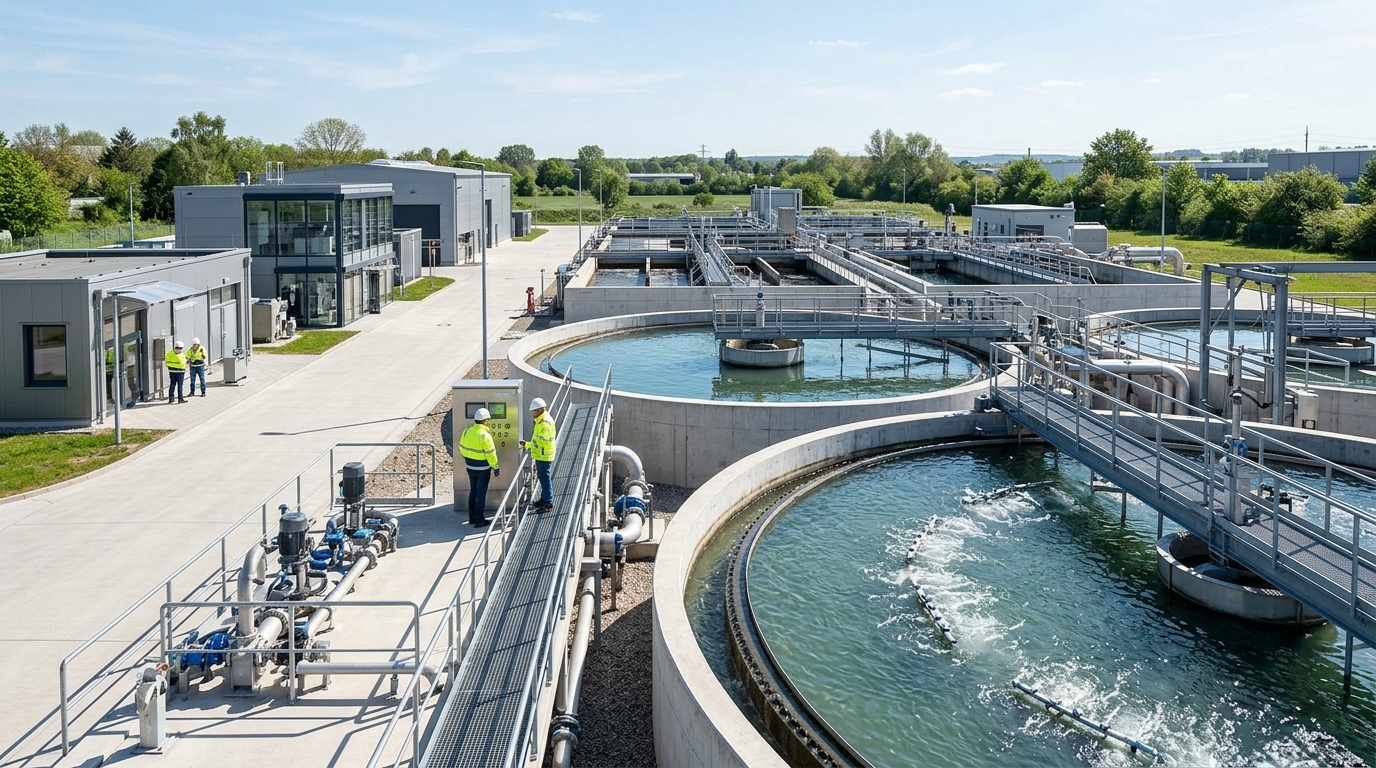
1. Assess Your Specific Sewage Treatment Needs
Before you start looking for a sewage treatment plant, it’s crucial to assess the specific needs of your property or business in Agra. Consider the amount of wastewater generated, the type of sewage (residential, commercial, or industrial), and any regulatory requirements you must meet. Knowing these details will help you communicate effectively with manufacturers about what you need.
Same-day slots for stp treatment plant are usually available.
2. Research Local Sewage Treatment Plant Manufacturers
Agra has various manufacturers specializing in sewage treatment plants. Take time to research each one, focusing on their reputation, years of experience, and the technology they use. Reviews from other customers can also provide insights into their reliability and service quality. It's beneficial to create a shortlist of manufacturers that stand out, either through positive feedback or innovative solutions they offer.
3. Understand Price Ranges for Sewage Treatment Plants
The cost of a sewage treatment plant can vary widely based on its size, design, and technology. In Agra, you can expect prices to range from ₹5 lakh to over ₹50 lakh. Smaller units may be less expensive, while larger, more advanced systems will obviously cost more. For instance, a compact plant for residential use might fall on the lower end of this scale, while a large-scale setup for industrial purposes could easily exceed ₹30 lakh. Always ask for a detailed quote before you commit to a purchase, and ensure it includes all costs associated with the project.
4. Evaluate the Size of the Plant You Need
Choosing the right size for your sewage treatment plant is crucial. An undersized plant may struggle to handle your sewage, leading to overflow and regulatory issues. Conversely, an oversized plant can be unnecessarily costly and may result in higher operational costs. Generally, manufacturers will conduct a thorough assessment and provide guidance tailored to your specific requirements, factoring in things like peak flow rates and the type of sewage.
5. Consider Maintenance and Operational Costs
Maintenance and operational costs should not be overlooked when selecting your sewage treatment plant. Most systems require regular maintenance, which may involve cleaning, repairs, and potential upgrades. Typical maintenance costs in Agra can range from ₹15,000 to ₹50,000 yearly, depending on the plant’s complexity and usage. Additionally, operational costs, such as electricity consumption, should be factored into your budget, as energy-efficient systems can significantly reduce these expenses over time.
6. Review Installation Timeframes
Understanding how long the installation of a sewage treatment plant will take is essential for planning. In Agra, installations generally take anywhere from 2 weeks to a couple of months, depending on the complexity of the project and available resources. If additional permits are required, it may extend the timeline further. Ensure that your chosen manufacturer provides a realistic timeline to avoid disruption to your operations, and always account for potential delays that might arise during installation.
7. Ensure Compliance with Local Regulations
Every sewage treatment plant must comply with local environmental regulations. Before finalizing your purchase, verify that the manufacturer understands Agra’s compliance requirements and that their systems meet these standards. This will help you avoid legal issues down the line. Additionally, ask for documentation or certifications that demonstrate their adherence to local legislation, which can provide you with peace of mind regarding your investment.
8. Look for Energy-Efficient Options
Energy efficiency is an important consideration when choosing a sewage treatment plant. Look for technology that minimizes energy consumption while maximizing treatment efficiency. Investing in energy-efficient systems can lead to significant savings on your utility bills over time. For example, certain modern plants incorporate advanced aeration techniques and solar power options that can drastically reduce energy costs.
9. Inquire About Warranty and Support
A good warranty can protect your investment. Ask potential manufacturers about warranty terms, typically ranging from 1 to 5 years for parts and service. Additionally, check what kind of support they offer post-installation, including troubleshooting and repairs. A reliable warranty, paired with strong customer support, can alleviate concerns about your sewage treatment plant's longevity and performance.
10. Ask for Demonstrations or References
Before making a final decision, ask the manufacturer for demonstrations of their sewage treatment systems if possible. Checking references from other customers in Agra can also provide assurance of the manufacturer’s credibility and the quality of their products. Companies that are confident in their systems are often willing to schedule demos or provide case studies highlighting their effectiveness.
11. Explore Customizable Options
Every property has unique requirements, and many sewage treatment plant manufacturers offer customizable solutions. Discuss your specific needs and explore options that cater to them. Custom solutions often provide better efficiency and performance tailored to your operation. For instance, some plants may offer modular components that can be adjusted or expanded based on future needs, which could save costs in the long run.
12. Compare Multiple Quotes
Don’t settle for the first quote you receive. Reach out to several manufacturers to get multiple quotes. This will give you a better understanding of the pricing landscape and allow you to negotiate better terms. Make sure you are comparing similar specifications between quotes to ensure a fair comparison. Take note of what’s included in each quote, such as installation, maintenance packages, and support services.
13. Verify Installation and Aftercare Services
Beyond the purchase of a sewage treatment plant, consider the installation process and the aftercare services provided by the manufacturer. Installation can be complex, so ensure that the manufacturer has knowledgeable staff to handle the setup. Furthermore, inquire about aftercare services such as scheduled maintenance and emergency support. Adequate aftercare is crucial for the long-term reliability of your system.
14. Sustainable Practices and Technologies
Sustainability is an important topic today. Opt for manufacturers that embrace eco-friendly practices and technologies. This not only benefits the environment but may also appeal to customers and stakeholders who prioritize sustainability. Look for systems that minimize waste and use natural processes wherever possible. For example, some plants utilize constructed wetlands or bioreactors that follow ecological principles, aligning with modern sustainability goals.
15. Gather Reviews and Testimonials
Finally, take the time to gather reviews and testimonials from previous customers. Reading about other people’s experiences can provide valuable insights into the reliability and performance of different sewage treatment plants and manufacturers. Look for feedback on customer service, efficiency, and overall satisfaction with the product. Resources like online review sites and industry forums can be particularly helpful in gathering diverse opinions.
For reliable options in Agra, check out stp treatment plant that can meet your specific needs and standards.

Comments
Post a Comment