How to Schedule Your RO Plant Service in Patna
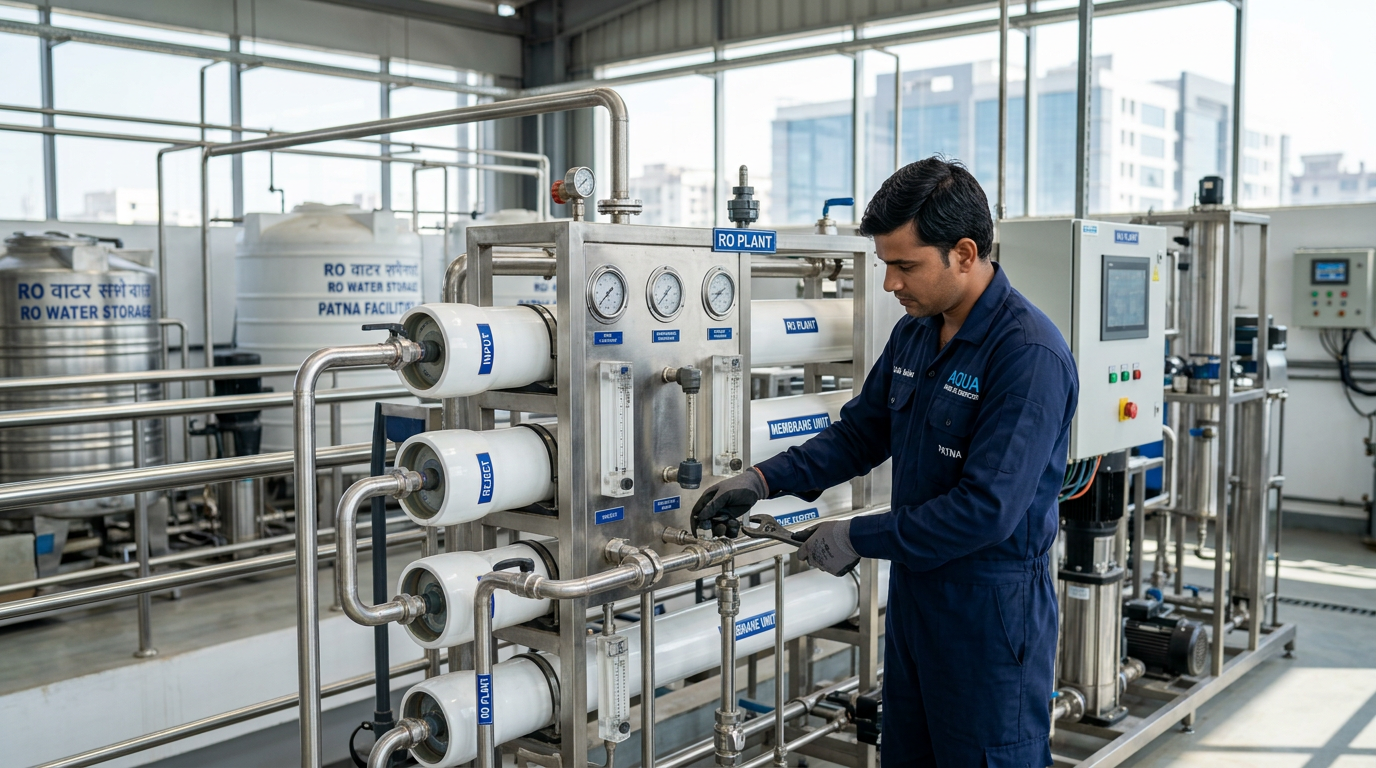
Scheduling professional RO plant service is best done by contacting a verified local provider to diagnose the issue and outline a clear service plan. To ensure your system receives expert attention for tasks from routine checks to full RO installation, following a structured process is key. This guide details the essential steps, from identifying the initial problem to performing post-service checks, helping you maintain optimal water quality and plant performance.
Diagnosing the Problem and Finding the Right Technician
Before you can book a service, you need to understand what's wrong. Accurately identifying symptoms and selecting a qualified service provider are the foundational steps to a successful repair. This preparatory phase ensures the technician arrives informed and that you are dealing with a trustworthy company.
Step 1: Identify Your RO Plant's Symptoms
Observing your RO plant's performance can give the technician valuable information, leading to a faster and more accurate diagnosis. Look for these common warning signs that indicate a need for professional service.
- Reduced Water Flow: Is the output from your plant significantly slower than usual? This often points to clogged filters or a failing membrane.
- Unpleasant Taste or Odor: If the purified water develops a strange taste or smell, it could mean the carbon filters are exhausted or that there's biofilm buildup in the system.
- High TDS Levels: Use a TDS (Total Dissolved Solids) meter to check the output water. A sudden spike in the TDS reading means the RO membrane is no longer effectively removing impurities.
- Unusual Noises or Vibrations: Loud humming, grinding, or excessive vibration from the high-pressure pump can signal motor bearing failure or other mechanical issues.
- Constant Drainage: If the reject water line runs continuously even when the storage tank is full, it might be due to a faulty float valve or a check valve issue, wasting a significant amount of water.
Documenting these symptoms will help you clearly communicate the problem when you call for service, saving time and helping the technician arrive with the right tools and potential parts.
Step 2: Find a Reputable Service Provider
Not all service providers are created equal. Finding a reliable company is crucial for the longevity of your RO plant. Look for businesses that specialize in commercial or industrial RO systems, not just domestic purifiers. Check for a professional website, clear contact information, and customer reviews on independent platforms. Providers familiar with Patna's specific water challenges, such as high TDS levels and seasonal variations in water quality, can offer more effective and lasting solutions.
When evaluating providers in the Patna area, prioritize those with a proven track record. Ask for references from other businesses if possible. A credible company will have experienced technicians who understand the complexities of different plant capacities, from 500 LPH to over 5000 LPH. Avoid freelancers or unverified individuals who may offer suspiciously low prices, as they often use subpar parts and lack accountability.
Step 3: Key Questions to Ask Before Booking
Once you have a shortlist of potential service providers, make a call and ask several important questions. Their answers will reveal their professionalism and pricing transparency. This step helps you avoid hidden costs and ensures you are comfortable with the company before they visit.
- "What is your standard visit or inspection fee?" Most companies charge a fee for the initial visit to diagnose the problem. This fee is often adjusted against the final bill if you proceed with the repair.
- "Are your technicians trained and certified?" Technicians should be knowledgeable about various RO plant brands and models.
- "What is your estimated response time in Patna?" For a business, downtime can be costly. Knowing how quickly they can attend to your issue is important.
- "Do you provide a warranty on parts and labor?" A reliable provider will stand by their work. A typical warranty might be 30-90 days for service and longer for replaced parts.
- "Do you use genuine or OEM-equivalent spare parts?" The quality of spare parts directly impacts your plant's performance and lifespan. Insist on high-quality components.
Navigating the Service Visit and Associated Costs
Once you've selected a provider, the next phase involves the actual service visit. Understanding potential costs, preparing your facility, and knowing what to look for during the repair are critical for a smooth and transparent process.
Step 4: Understanding Service Costs and Timelines
Knowing the potential costs upfront helps with budgeting. While a precise quote is only possible after inspection, a professional company can provide estimated price ranges for common RO plant services in Patna. These figures are estimates for standard commercial plants; larger industrial systems will have proportionally higher costs.
- Standard Servicing: A basic service visit, including filter cleaning and a general check-up, typically costs between ₹800 and ₹2,000. This usually takes 1-2 hours.
- Filter Replacement: The cost for replacing pre-filters (sediment, carbon) can range from ₹1,500 to ₹4,000, depending on the size and type.
- Membrane Cleaning or Replacement: On-site membrane cleaning is a specialized process that might cost ₹3,000 to ₹7,000. If the membrane needs replacement, the cost is significantly higher, often ranging from ₹8,000 to ₹25,000+ based on the membrane's size and brand.
- Pump Repair or Replacement: Minor pump repairs might be a few thousand rupees, but a full replacement of a high-pressure pump can cost ₹15,000 or more.
A technician should always provide you with a detailed written estimate before beginning any major work. This estimate should break down the cost of parts and labor clearly.
Step 5: Prepare for the Technician's Arrival
A little preparation from your side can make the service process smoother and quicker. Before the technician arrives, take a few simple steps.
First, ensure the area around the RO plant is clear and accessible. Remove any boxes, equipment, or obstacles that might block access to the control panel, filters, and pumps. This not only helps the technician work efficiently but also ensures safety.
Second, make sure the power and water supply to the plant are operational. The technician will need to run the plant to diagnose issues and test it after repairs. If you have any operational manuals, past service records, or diagrams for your specific plant, have them ready. This information can be invaluable for troubleshooting.
Step 6: What to Observe During the Service
While the technician works, it's a good practice to observe their process without being intrusive. A professional technician will be methodical and transparent. They should be able to explain what they are doing and why. Pay attention to the parts being used; they should be new and in proper packaging. This is also an excellent opportunity to ask the technician for simple maintenance tips you can perform yourself, such as how to properly read gauges or when to clean external strainers.
Once the work is complete, the technician should run the plant and test its performance. They should check the output water's TDS, measure the flow rate, and inspect the system for any leaks. Before leaving, they must provide you with a detailed invoice that lists all the services performed and the parts replaced. This document is your record of the service and is essential for any warranty claims.
Ensuring Long-Term Performance After the Service
Effective maintenance doesn't end when the technician leaves. Proper follow-up and proactive planning are essential to protect your investment and ensure your RO plant continues to operate efficiently for years to come.
Step 7: Post-Service Checks and Future Maintenance
After the technician leaves, your job isn't quite done. Over the next few days, monitor the RO plant's performance closely. Check for any leaks around the new fittings or filters. Use your TDS meter to confirm that the water quality is within the desired range. Listen for any unusual noises that may have appeared after the service.
Consider creating a maintenance log for your plant. This log should record the date of each service, the technician's name, the work performed, parts replaced, and the TDS readings before and after the service. Over time, this log becomes an invaluable asset for tracking performance, anticipating future needs, and demonstrating a history of proper care.
To prolong the life of your RO plant and minimize future breakdowns, ask the technician for a recommended maintenance schedule. Regular pre-filter changes, timely membrane cleaning, and periodic system check-ups are the best way to ensure your water supply in Patna remains pure and your investment is protected. Sticking to a proactive maintenance plan is always more cost-effective than dealing with emergency repairs.

Comments
Post a Comment