RO Plant vs. Water Purifier in Krishna: What's the Difference?
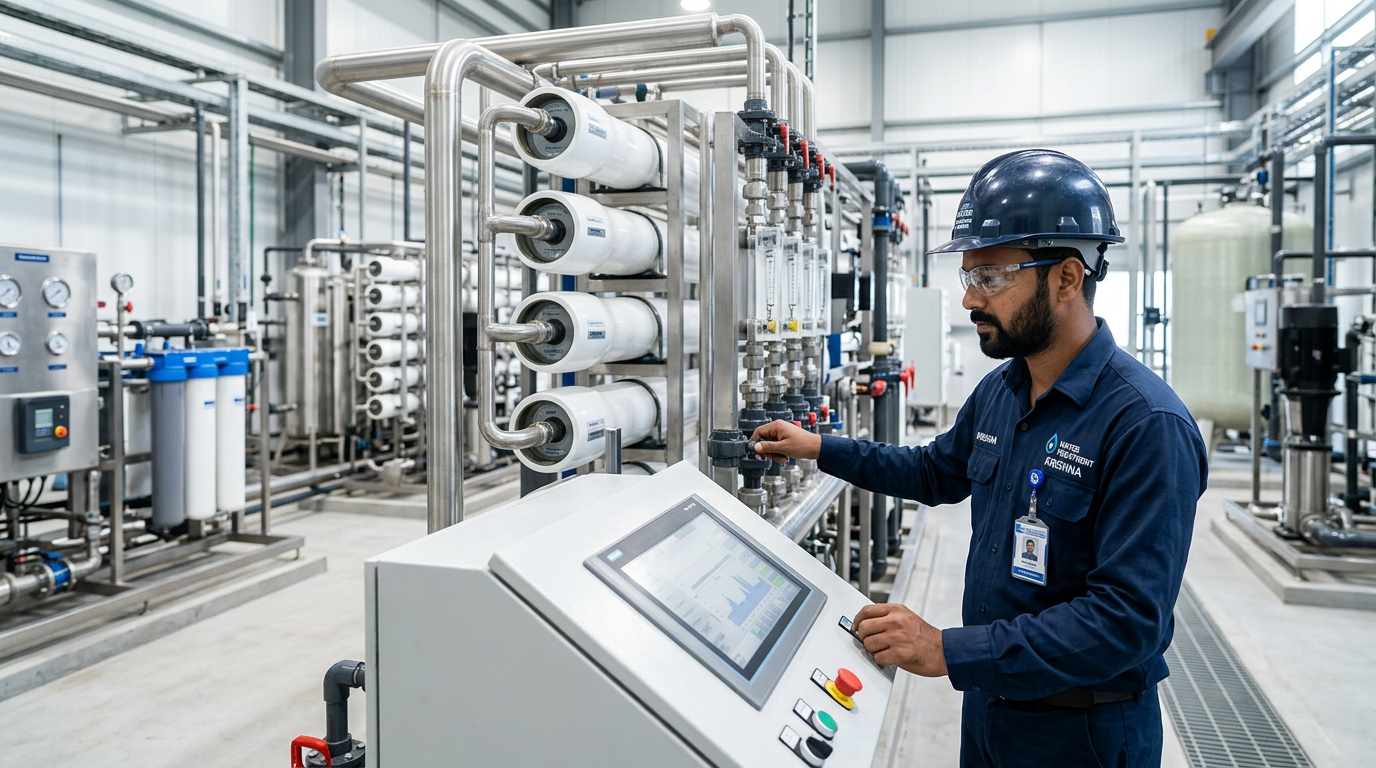
A single commercial reverse osmosis (RO) plant can process more than 1,000 liters of water every hour—a staggering amount compared to a typical home unit. This capacity highlights a major distinction many people wonder about: what separates a simple water purifier from a comprehensive RO plant? While both aim to provide clean water, their scale, technology, and applications are vastly different. Understanding these differences is key to selecting the right solution for commercial or industrial needs, and we provide expert guidance on choosing the best Water Purifier Krishna system for your specific requirements. This article breaks down the comparison to help you make an informed decision.
Point-of-Use vs. Point-of-Entry: More Than Just Size
The most straightforward way to understand the difference is to think about scale. A standard water purifier, like the one you might have in your kitchen, is a 'point-of-use' system. It is designed to purify a limited amount of water for drinking and cooking for a single-family household.
An RO plant, on the other hand, is a 'point-of-entry' or industrial-grade system. It is engineered to treat large volumes of water for an entire building, a manufacturing process, or a commercial establishment. Its purpose is not just to provide drinking water but to supply purified water for a wide range of applications, from hotels and hospitals to factories and apartment complexes.
While both systems often use reverse osmosis, the components and complexity vary significantly. Think of it as the difference between a passenger car engine and a heavy-duty truck engine; both use combustion, but they are built for entirely different loads.
A domestic water purifier typically combines several stages in a compact unit: a sediment filter, a carbon filter, the RO membrane, and often a UV lamp for disinfection or a TDS controller to add back essential minerals. These components are sized for low-flow and moderate usage.
An RO plant is a modular and much more robust system. Its key components include:
- Pre-Treatment Systems: This is crucial for plant longevity. It may include water softeners, iron removal filters, or sand filters to protect the sensitive RO membranes from premature fouling.
- High-Pressure Pumps: Industrial pumps generate the immense pressure needed to force large volumes of water through the membranes efficiently.
- Multiple RO Membranes: Instead of one small membrane, a plant uses several large, industrial-grade membranes housed in pressure vessels.
- Chemical Dosing: Antiscalant chemicals are often automatically injected to prevent mineral buildup on the membranes, a common issue with the hard water found in some parts of the Krishna district.
- Control Panel & Automation: A central panel monitors pressure, flow rates, and water quality, often with automated flushing cycles and safety shutoffs.
- Large Storage Tanks: Purified water is stored in large stainless steel or food-grade plastic tanks for consistent supply.
When to Invest in a Commercial RO Plant: Applications, Installation, and Costs
A countertop or under-sink purifier is perfect for home use. However, you need to invest in a full RO plant if you operate a business or manage a facility where water quality and quantity are critical.
Common applications requiring an RO plant include:
- Hospitality: Hotels and restaurants need consistently pure water for drinking, cooking, ice making, and laundry.
- Healthcare: Hospitals and clinics require sterile, high-purity water for medical procedures and laboratory use.
- Manufacturing: Industries like pharmaceuticals, electronics, and food processing depend on treated water that won't compromise their products.
- Real Estate: Large apartment buildings and gated communities often install a central RO plant to provide clean water to all residents.
- Educational Institutions: Schools and colleges need safe drinking water for thousands of students and staff.
The process of getting each system up and running is worlds apart. A domestic water purifier installation is a simple job, typically completed by a technician in under an hour. Maintenance involves changing filters and the RO membrane every 6 to 18 months, which a service provider can handle during a routine visit.
Installing an RO plant is a significant project. It begins with a detailed site assessment and water analysis. The installation itself can take anywhere from a few days to several weeks, involving extensive plumbing, electrical work, and careful calibration. This is not a task for a general plumber; it requires specialized engineers. Maintenance is also more involved, requiring scheduled professional servicing, membrane cleaning (CIP), and consistent monitoring of all components.
Budgeting is a primary concern, and the costs reflect the vast difference in scale. A reliable domestic RO purifier can cost anywhere from ₹8,000 to ₹25,000, depending on the brand and features.
RO plant pricing is customized and starts at a much higher point. A small commercial RO plant with a capacity of 250 liters per hour (LPH) might start around ₹75,000. Larger systems with capacities of 1,000 LPH, 2,000 LPH, or more can cost several lakhs of rupees. The final price depends on the required capacity, the raw water quality, the level of automation, and the extent of pre-treatment needed.
- Installation Time (Purifier): 1-2 hours.
- Installation Time (RO Plant): 3 days to 2+ weeks, following site approval and planning.
How to Choose the Right Water Treatment Solution in Krishna
Before you commit to a water treatment solution, especially a large-scale plant, due diligence is essential. Here’s what to verify with any potential provider:
- Mandatory Water Test: Never accept a quote without a comprehensive water quality report. The provider must test for Total Dissolved Solids (TDS), hardness, iron, silica, and other relevant contaminants to design an effective system.
- Provider Experience: Ask for references and case studies of similar installations they have completed in the Krishna region. A provider with local experience will be familiar with common water issues in the area.
- Detailed Written Quote: The proposal should clearly itemize everything included: all pre-treatment units, pumps, membranes, tanks, installation charges, and initial setup materials.
- After-Sales Support: What does the service contract include? Clarify the terms for warranty, response time for service calls, and the cost of an Annual Maintenance Contract (AMC).
Be cautious of any company that exhibits these red flags. A bad investment in water treatment can be costly to fix.
- Quotes Without a Site Visit: A professional will always insist on inspecting the site and testing the water before providing a final quote.
- One-Size-Fits-All Solutions: If a provider pushes a standard model without customizing it to your water report, they are not designing a system for longevity or efficiency.
- No Clear Warranty: A reputable manufacturer stands by their work with a clear, written warranty on parts and labor.
- Pressure for Immediate Decisions: Proper RO plant planning takes time. High-pressure sales tactics are a major warning sign.
Ultimately, the choice between a water purifier and an RO plant comes down to your specific water requirements. For a family needing safe drinking water at home, a quality domestic purifier is the correct and cost-effective choice.
For any commercial, industrial, or large residential application where water is a critical asset, a properly designed and installed RO plant is the only viable solution. It is an investment in operational efficiency, product quality, and public health. Consulting with an expert who can analyze your needs and the local water conditions is the first step toward securing a reliable supply of purified water.
Related Posts
- Details Yahan: Your Essential Guide to Sewage Treatment Plants
- The Comprehensive Guide to RO Plants and Water Purifiers in Panchkula
- Why rocareindia.com Is Your Best Bet for Reliable RO Plant Service
- Hyderabad: Which Water Purifier Is Best for Your Home?
- What to consider before buying an online water chiller?

Comments
Post a Comment