Warning Signs You Need Demineralization Plant Repair
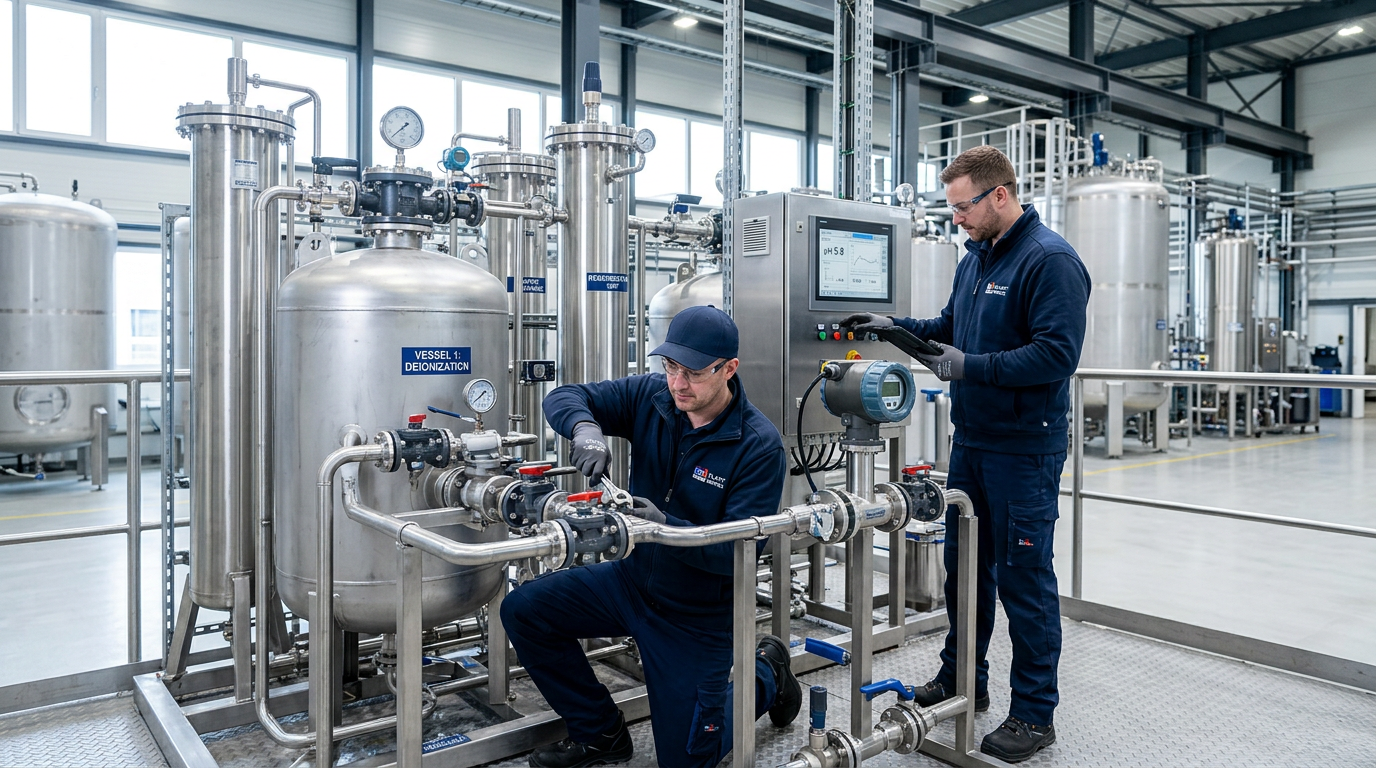
Many facility managers wait for a complete system failure before scheduling service for their demineralization (DM) plant. This 'run-to-failure' approach often leads to expensive, extended downtime and can damage critical components beyond simple fixes. Recognizing the early warning signs and acting quickly is the key to maintaining water quality and avoiding costly disruptions. If you're noticing performance dips, it's time to consider professional demineralization plant repair to diagnose the issue before it escalates. Ignoring minor problems is a gamble that rarely pays off.
Telltale Signs Your DM Plant Is in Trouble
Your DM plant provides clues when it's struggling. Paying attention to these indicators can save you from a catastrophic breakdown. Watch for these common symptoms.
- Poor Outlet Water Quality: This is the most critical sign. If your treated water shows high conductivity, elevated pH levels, or increased silica content, the ion exchange resins are likely exhausted or fouled. Your process depends on pure water, and compromised quality is a non-negotiable problem.
- Reduced Flow Rate: Are you getting less treated water than you used to? A significant drop in pressure or flow rate can point to clogged strainers, blocked pipes, or compacted resin beds. This forces the entire system to work harder, increasing wear and energy consumption.
- Frequent Regeneration Cycles: A healthy DM plant operates on a predictable regeneration schedule. If you find the system needs regeneration far more often than usual, it means the resins are losing their capacity. This not only increases salt and chemical consumption but also signals that the resin is nearing the end of its life.
- Visible Leaks or Corrosion: Never ignore physical signs of damage. Puddles around the unit, rust on the vessels, or corrosion on pipes and valves are clear indicators of a problem. A small leak can quickly become a major flood, causing water damage and forcing an emergency shutdown.
What a Standard Repair Service Includes
When you call a technician, you should know what to expect. A professional service call is more than just a quick fix; it's a systematic process to ensure long-term reliability.
A typical repair visit involves several key steps:
- Full System Diagnosis: The technician will first listen to your observations and then perform a comprehensive inspection. This includes checking water quality at various points, measuring pressure and flow, and examining all major components.
- Resin Bed Assessment: The heart of your DM plant is the resin. The technician will assess its condition. This may involve cleaning, topping off, or recommending a complete replacement if it is fouled or has lost its exchange capacity.
- Valve and Piping Inspection: All multiport valves, solenoids, and piping are checked for correct operation, leaks, and blockages. A faulty valve can prevent proper regeneration, leading to poor water quality.
- Control Panel & Electrical Check: The controller, sensors, and wiring are inspected to ensure they are functioning correctly. Inaccurate readings from a faulty sensor can throw the entire system off.
- Final Testing: After repairs are completed, the technician will run the system through a full service and regeneration cycle to confirm everything is working as it should. They will test the final water quality to ensure it meets your required specifications.
How Much Does DM Plant Repair Cost in Hyderabad?
Budgeting for maintenance is crucial. While a precise quote requires an on-site inspection, understanding the typical price ranges for DM plant repair in Hyderabad can help you plan.
- Minor Repairs (₹2,500 - ₹7,000): This category includes tasks like fixing small leaks, recalibrating sensors, cleaning strainers, or adjusting control panel settings. These are often completed in a single visit.
- Moderate Repairs (₹10,000 - ₹30,000): This may involve replacing a faulty multiport valve, addressing a control panel issue, or performing a partial resin replacement. These jobs are more involved and require specific parts.
- Major Overhauls (₹50,000+): For issues like complete resin replacement in large-capacity plants, vessel repair, or replacing major controllers, the cost is significantly higher. The price depends heavily on the plant's size and the cost of the replacement components.
Always ask for a detailed quote that breaks down labour and parts costs before approving any work.
How Long Will the Repair Take?
Downtime is a major concern for any business. The duration of a repair depends entirely on the complexity of the problem. For many businesses in Hyderabad, scheduling service in advance is key to minimizing operational impact.
- Standard Service Call: A diagnostic visit and minor repair usually take between 2 to 4 hours.
- Complex Repairs: A job like replacing a main valve or controller might take 4 to 8 hours, including testing.
- Resin Replacement: This is the most time-consuming task. Depending on the size of the plant, replacing the resin, loading it, and running the initial regeneration and rinse cycles can take one to two full days.
Before You Book a Service Call
To help the technician work efficiently, you can prepare a few things ahead of time. This ensures a faster diagnosis and resolution.
- Gather Information: Have your plant's manual and any service history records available. Knowing the make, model, and capacity is very helpful.
- Note the Symptoms: Write down exactly what you've observed. When did the issue start? Is it constant or intermittent? Are there any specific error codes on the display?
- Ensure Access: Make sure the area around the DM plant is clear and safe for a technician to work in.
The Risk of DIY Repairs
Trying to fix a complex DM plant yourself or hiring an unqualified local handyman can lead to bigger problems. These systems are sensitive. An incorrect setting, the wrong type of resin, or improper handling of regeneration chemicals can cause irreversible damage or create a safety hazard.
Professional technicians have the right tools, diagnostic equipment, and experience with various plant models to fix the problem correctly the first time. Trusting an expert ensures your equipment is serviced properly and your water quality is restored.

Comments
Post a Comment