Knowing When to Engage an Industrial RO Plant Manufacturer in Guntur
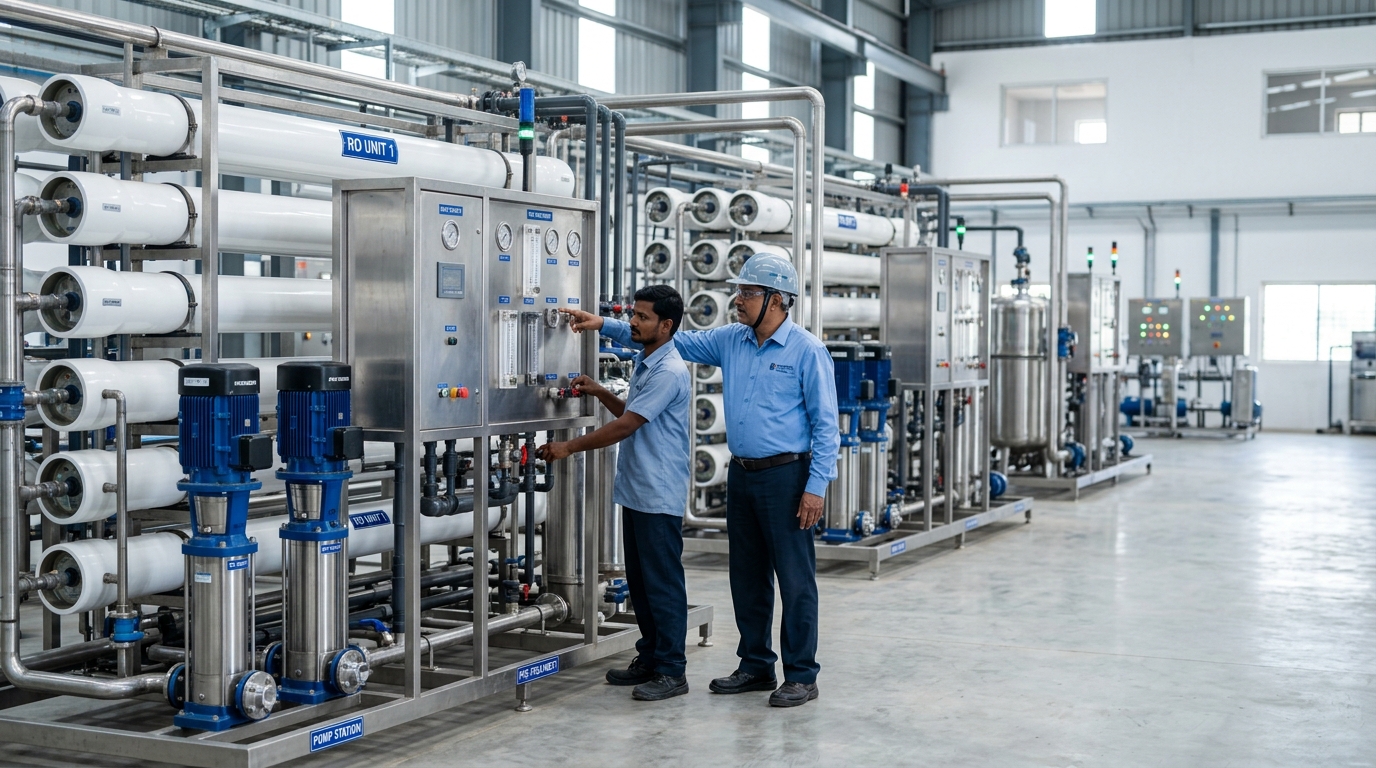
When your industrial operations in Guntur rely on a consistent supply of high-quality water, any deviation can quickly impact productivity and profitability. You might notice unusual fluctuations in your product quality, unexplained increases in utility bills, or perhaps your machinery seems to require more frequent cleaning or repairs. These seemingly minor issues are often early warnings that your current water treatment system, specifically your Reverse Osmosis (RO) plant, is no longer performing optimally. Ignoring these signs can lead to more significant operational disruptions and financial strain.
Taking proactive steps to address these concerns is crucial for any business. For a reliable solution, consider consulting with an expert Industrial RO Plant Manufacturer in Guntur to assess your needs and ensure your water quality meets industrial standards.
Identifying and Addressing Water Treatment Challenges
Recognizing the Signs Your Current System is Failing
Identifying when your industrial RO plant is underperforming is the first step towards a sustainable solution. A primary indicator is a noticeable decline in the purity of your treated water. This could manifest as higher Total Dissolved Solids (TDS) readings than usual, or changes in taste, odor, or color, directly affecting processes that demand stringent water quality. For industries like pharmaceuticals, food and beverage, or electronics manufacturing, even slight deviations in water quality can compromise product integrity and safety. Regular monitoring of key parameters like conductivity, pH, and turbidity is essential to catch these issues early.
Another clear signal is a spike in operational costs. You might observe increased energy consumption to achieve the same water output, or find yourself spending more on pre-treatment chemicals and membrane cleaning agents. Frequent breakdowns and unscheduled maintenance also point to an aging or inefficient system, leading to costly downtime and lost production hours. This increase in maintenance often includes more frequent membrane cleaning, replacement of filters, and repair of pumps, all contributing to a higher total cost of operation than anticipated.
The Impact of Inefficient Water Treatment on Your Business
The consequences of a failing RO plant extend beyond simple inconvenience. Substandard water quality can directly degrade the quality of your finished products, potentially leading to customer complaints, product recalls, and damage to your brand reputation. For manufacturing or processing units, this means higher rejection rates and wastage of raw materials, creating significant economic losses and environmental impact from increased waste streams. In critical applications, compromised water quality can even lead to safety hazards.
Operationally, inefficient water treatment systems cause substantial financial losses. Higher energy and chemical costs eat into profit margins, while frequent equipment failures result in expensive repairs and prolonged periods of inactivity. This also risks non-compliance with environmental regulations or industry specific water quality standards, potentially incurring heavy fines or operational restrictions in the Guntur region. The reputational damage from such non-compliance can be long-lasting, affecting future business opportunities and stakeholder trust.
Strategic Investment in Advanced Water Purification
When to Consider a New Industrial RO Plant
There are several strategic points when investing in a new industrial RO plant becomes a wise decision. If your current system has served you for 10-15 years, its major components are likely nearing the end of their efficient lifespan. While some parts can be replaced, overall system efficiency tends to decline, marked by lower recovery rates and increased energy consumption, making a new installation more cost-effective in the long run. Modern RO plants are designed for greater durability and longevity, offering a better return on investment over time.
Consider upgrading if your business operations in Guntur have expanded, or if your water quality requirements have changed. An undersized or oversized plant will never be optimally efficient, leading to either water scarcity or unnecessary operational costs. Newer RO technologies offer significant advancements in energy efficiency, water recovery rates, and automation, providing substantial cost savings and improved performance compared to older models. These advancements include more efficient membrane types, smart control systems that optimize performance, and reduced chemical consumption through improved pre-treatment options.
What to Look for in an Industrial RO Plant Manufacturer
Choosing the right manufacturer is paramount. Seek out a company with extensive experience in designing and installing industrial RO plants, especially one familiar with Guntur’s specific water sources and industrial landscape. Their expertise ensures the system is tailored to your unique raw water conditions and output requirements, whether dealing with high salinity, hardness, or specific contaminants prevalent in the region. A manufacturer with a strong local presence can offer faster support and insights.
An ideal manufacturer should offer comprehensive services, from initial water analysis and custom system design to installation, commissioning, and ongoing after-sales support. Look for manufacturers who prioritize energy-efficient designs and robust components to ensure durability and lower operating costs over the system's lifespan. This includes the use of high-quality membranes, durable pumps, and corrosion-resistant materials, all backed by clear service level agreements and readily available spare parts to minimize future downtime.
Partnering for smooth RO Plant Implementation
Understanding the Process: From Consultation to Installation
The journey to a new industrial RO plant begins with a thorough consultation and site assessment. This includes detailed water quality testing to understand the raw water's characteristics and a discussion of your specific output needs, including daily volume, desired purity levels, and pressure requirements. Based on this, the manufacturer will provide a customized proposal and a detailed quotation, outlining the technology, components, and projected performance.
Costs for industrial RO plants can vary widely, typically ranging from ₹5 Lakhs for smaller capacity units up to ₹50 Lakhs or more for large-scale, highly customized systems. The design and proposal phase might take 1-2 weeks. Manufacturing and installation, depending on the plant's complexity and size, usually takes between 4-12 weeks. The installation package generally includes all necessary equipment, piping, control systems, and initial operational training for your staff, ensuring a smooth transition and confident operation from day one. Post-installation support is also critical for long-term success.
Key Checks Before You Commit to a Manufacturer
Before finalizing your decision, perform essential due diligence. Verify the manufacturer’s credentials, including their licensing, certifications, and track record of successful installations. Ask for references from other industrial clients in Guntur or similar regions who have successfully implemented their RO systems and can attest to their reliability and service quality. Online reviews and industry forums can also provide valuable insights into their reputation.
Carefully review the warranty terms for the system and its components. Also, clarify the scope of their after-sales service, including availability of spare parts and maintenance contracts. Understanding the total cost of ownership, which includes projected operational and maintenance costs, will give you a clearer financial picture beyond the initial purchase price. A reliable manufacturer will be transparent about these long-term aspects.
Proactive evaluation and timely engagement with an experienced Industrial RO Plant Manufacturer can safeguard your operations and ensure a reliable supply of high-quality water, keeping your business competitive and compliant.
Related Posts
- Faridabad's Trusted RO Installation Services for Pure Water
- Understanding RO Services: Ensuring Clean and Safe Drinking Water
- Commercial Water Softener Costs: What to Expect in Panchkula
- Understanding RO Service: Essential Guide for Homeowners
- Water Chiller 1000 Liter Price Faridabad: Key Considerations and Costs

Comments
Post a Comment