Simple RO Installation Checklist for Gurgaon Homes
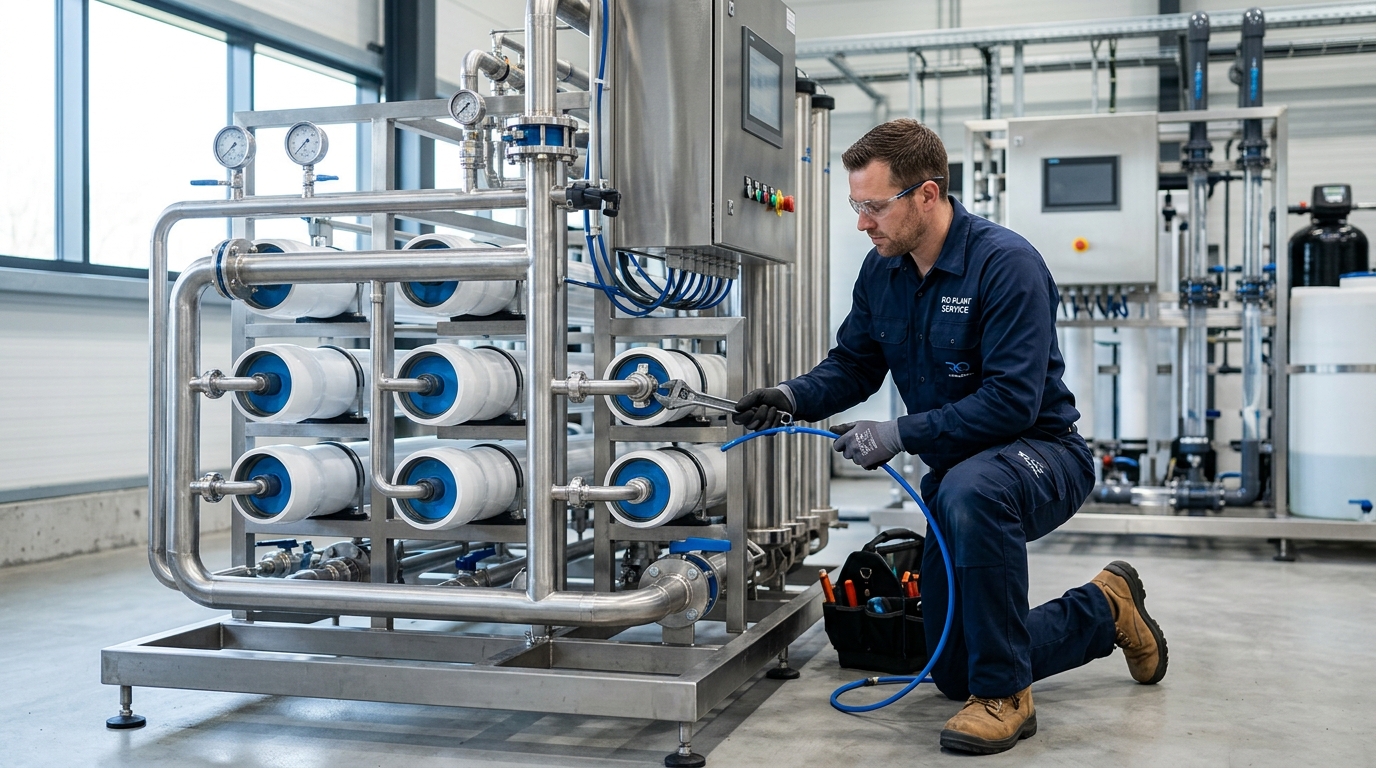
Did you know that over 70% of households in urban areas face challenges with hard water, making RO purifiers almost a necessity? If you're looking to install a new RO system, ensuring proper setup is key to getting truly clean and safe drinking water for your family. A reliable water purification service in Gurgaon can make all the difference, but it helps to know what to look for. This checklist will guide you through the RO installation process, from choosing the right system to understanding what happens on installation day.
Choosing the Right RO System for Your Family's Needs
Before anyone even thinks about installation, selecting the perfect RO system is step one. It's not just about picking the shiny new model; it's about matching the system to your family's specific needs and the quality of your local water supply. Start by checking your water’s TDS (Total Dissolved Solids) levels, as this crucial measurement dictates the type of purification technology you’ll need. Water with higher TDS might require a more robust RO membrane and pre-filters to handle the load effectively.
Consider your household size too. A small family might be perfectly fine with a compact 8-12 liter per hour system, which usually takes up less space. Larger families or those with high daily water consumption will definitely benefit from units producing 15-20 liters per hour or more to ensure a steady supply. Think about additional features like UV filtration for enhanced bacterial removal, or a TDS controller that lets you adjust the mineral content in your purified water to your preference. Finally, measure the exact space available in your kitchen for the unit – whether you're looking for an under-sink, wall-mounted, or countertop model, they all have different footprint requirements. Making an informed choice now will save you hassle and ensure long-term satisfaction.
What to Confirm Before Booking Your Installation Service
Once you’ve picked out your ideal RO system, the next crucial step is finding a reputable service provider for the installation. Don’t just go with the first option you find; a little research goes a long way to ensure a professional setup. Always begin by checking customer reviews and testimonials online to gauge their reliability and the professionalism of their technicians. A company with a strong track record of positive feedback is often a good indicator of consistent quality service and customer satisfaction.
Always ask about the warranty provided on both the RO system components themselves and the installation service. Understanding what’s covered, for how long, and under what conditions can save you from unexpected repair costs down the line. Make sure you get a crystal-clear breakdown of the pricing – what exactly is included in the stated installation charge? Are there any potential hidden fees for extra pipes, specific fittings, or travel that might crop up during the service? Transparency in billing is absolutely essential, especially when dealing with home services in a busy city like Gurgaon. Confirming all these details beforehand ensures a smooth and budget-friendly experience, free from unwelcome surprises.
Understanding What RO Installation Typically Costs
The cost of RO installation can vary quite a bit, depending on a few key factors that influence the overall service. Generally, for a standard residential RO system, you might expect to pay an installation fee ranging anywhere from ₹500 to ₹1500 if the cost isn't already bundled with your new RO unit purchase. This price typically covers the basic setup, including mounting the unit and making the necessary water and drain connections. However, this is just an estimate, and actual prices can fluctuate based on the complexity of the installation and the specific service provider’s rates.
More intricate installations, such as those requiring extensive pipe routing through walls, drilling through tough surfaces like granite countertops, or fitting into a non-standard kitchen layout, might incur additional charges. If your home needs special adaptors for existing plumbing, or if the local water pressure is too low, requiring an external booster pump installation, these would certainly add to the overall expense. Always insist on getting a detailed quote that outlines all potential costs to avoid any surprises once the work is complete. Reputable service providers in Gurgaon will offer transparent pricing and patiently explain any deviations from the standard installation process.
How Long Does a New RO System Installation Take?
Most standard RO system installations are surprisingly quick and efficient, typically taking a skilled installer anywhere from 1 to 3 hours from the moment they arrive to the completion of the job. This timeframe usually covers unpacking the unit, carefully mounting it in the chosen spot (whether it's a sleek wall-mounted model or an under-sink unit), expertly connecting it to your home's main cold water supply, and precisely setting up the drain connection for the rejected water. It also includes the crucial initial system flush and a thorough check for any potential leaks.
However, several factors can influence how long the job takes. If your existing plumbing setup is unusual or antiquated, or if the installer needs to make significant modifications to fit the system securely, it could certainly take a bit longer than the average. Similarly, if the chosen installation spot is particularly challenging to access, or if you opt for additional features like a separate designer tap for purified water that requires extra drilling and meticulous placement, the duration might extend. It’s always a good idea to discuss the expected timeline and any potential complexities with your technician before they begin the work, so you know exactly what to expect.
What Your RO Installation Package Should Include
A standard, professional RO installation service should encompass several key steps to ensure your new system is properly set up, fully functional, and ready to deliver clean, purified water. First, the technician will typically unbox and physically mount the RO unit in the agreed-upon location, whether it's an under-sink model, a stylish wall-mounted unit, or a convenient countertop setup. This includes securing it properly and ensuring it’s level and stable.
Next, the critical plumbing connections are expertly made. This involves tapping into your cold water supply line, usually via a diverter valve or a self-piercing saddle valve, and connecting the waste water outlet securely to a suitable drain point, most often the sink drain. The service also includes running the initial flush cycle to remove any manufacturing impurities, air from the lines, and ensure the filters are properly saturated and ready for use. Finally, a good installation service will always conclude with a thorough leak check across all connections and a brief, clear demonstration of the system's basic operation and essential maintenance tips for you.
Spotting the Warning Signs of a Subpar RO Installation
After your new RO system is installed, it’s absolutely important to keep a vigilant eye out for any signs that the job might not have been done correctly or that issues are developing. The most obvious and immediate warning sign is any form of water leakage around the unit itself, its connections, or the associated plumbing. Even a small drip can quickly escalate into a much bigger problem, potentially causing water damage, so check carefully right after installation and continuously in the following days. Another significant red flag is consistently low water pressure from your dedicated RO tap, which could indicate kinks in the water lines, a faulty pressure switch, or improper pressure settings.
Unusual or excessive noises emanating from the unit could also point to an underlying issue, perhaps with the booster pump, or even loose components that weren't secured properly. If the waste water drainage seems insufficient, constant, or if the system isn't turning on or off as expected based on its full tank capacity, these are critical indicators of installation flaws that need immediate attention. Don't hesitate to contact your service provider immediately if you notice any of these problems; addressing them promptly can prevent further damage to your valuable RO system and ensure you consistently get the pure, safe water you paid for.
Keeping Your RO System Running Smoothly After Installation
Getting your RO system expertly installed is just the beginning of your journey to having a continuous supply of pure water at home. To ensure it continues to function optimally and consistently provide safe drinking water, a little ongoing attention and care are absolutely required. After the initial installation, always follow the technician's advice regarding the first few flushes. Many systems recommend draining the first tank or two of purified water to effectively clear out any residual carbon dust, air from the new lines, or manufacturing impurities.
The most critical ongoing maintenance task is timely filter replacement. Each filter within your RO system has a specific lifespan, designed to remove certain contaminants. Ignoring these replacement schedules can quickly lead to decreased water quality, significantly reduced flow rates, and even potential long-term damage to the delicate RO membrane, which is costly to replace. Mark your calendar or set digital reminders for when your pre-filters, carbon filters, and membrane are due for a change. Also, pay close attention to any subtle changes in water taste or smell, which can often be the first signal that a filter needs changing. Scheduling regular annual professional maintenance checks with a trusted RO service provider will further extend your system's life, maintain its efficiency, and ensure your family's health.
Related Posts
- The Importance of Regular RO Service for Clean Drinking Water
- Understanding RO Service: Essential Insights for Homeowners
- How does a sewage water treatment plant benefit properties?
- The Essential Guide to RO Service: Ensuring Clean Water for Your Home
- Why Should I Hire a Technician for My RO in Kolkata?

Comments
Post a Comment