Your Essential Guide to Understanding Water-Cooled Chillers
Your Essential Guide to Understanding Water-Cooled Chillers

Your Essential Guide to Understanding Water-Cooled Chillers

Water-cooled chillers are crucial for businesses that require cooling solutions, especially in industrial settings. If you’re considering a water-cooled chiller or need to maintain one, this guide will walk you through the essential steps and considerations to help you make informed decisions.

What is a Water-Cooled Chiller?

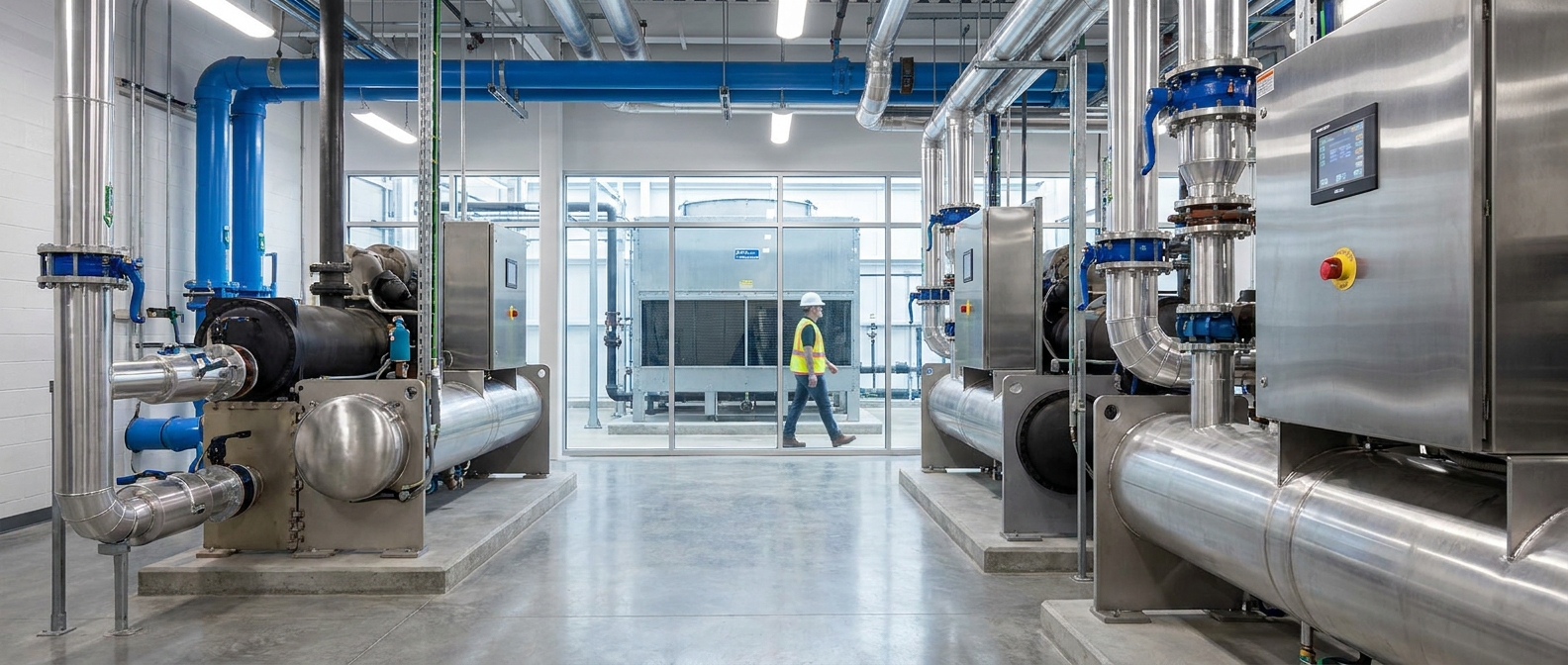
A water-cooled chiller is a refrigeration system that uses water as a cooling medium. Unlike air-cooled systems, which rely on air to dissipate heat, water-cooled chillers transfer heat away from a process through circulating water. These systems are essential in settings such as manufacturing plants, large commercial buildings, and data centers.

Why Choose a Water-Cooled Chiller?

There are several reasons why businesses opt for water-cooled chillers:

  • Efficiency: They are generally more energy-efficient than air-cooled systems, especially in larger setups, making them cost-effective in the long run.
  • Performance: Water-cooled chillers handle larger cooling loads and perform better in high-temperature environments.
  • Longevity: With proper maintenance, they tend to have a longer operational life.
  • Step-by-Step Guide to Choosing the Right Water-Cooled Chiller

    Step 1: Assess Your Cooling Needs

    Before selecting a chiller, consider your cooling requirements. Evaluate the following:
  • Load Requirements: Calculate the maximum cooling load required for your facility. This includes machinery, electronic equipment, and overall environmental conditions.
  • Space Availability: Ensure you have adequate space for the unit and associated water supply systems.
  • Step 2: Understand the Types of Water-Cooled Chillers

    There are two main types:
  • Reciprocating Chillers: Good for smaller loads and offer flexibility in operational conditions.
  • Screw Chillers: Ideal for larger cooling demands and provide high efficiency.
  • Evaluate which type best fits your business needs.

    Step 3: Consider Energy Efficiency

    Look for units with a high Coefficient of Performance (COP) rating. A higher COP indicates better energy efficiency, which translates to lower operational costs. Choosing an energy-efficient chiller can lead to significant savings over time.

    Step 4: Explore Features and Technology

    Modern water-cooled chillers come with advanced technology. Here are some features to consider:
  • Variable Speed Drives: Help in optimizing energy use by adjusting the compressor speed as per the load requirement.
  • Integrated Controls: Smart controls can enhance performance and make maintenance easier.
  • Modularity: Some chillers can be expanded or combined with other systems as demand changes.
  • Step 5: Factor in Maintenance and Support

    Regular maintenance is crucial for the longevity of your chiller. Look for a supplier who offers comprehensive maintenance services, including:
  • Regular Check-ups: Schedule preventative maintenance to catch issues before they escalate.
  • Emergency Services: Ensure they provide prompt support in case of breakdowns.
  • If you are looking for reliable maintenance and installation services, check out Rocareindia services for assistance tailored to your needs.

    Tips for Maintaining Your Water-Cooled Chiller

    Maintaining your water-cooled chiller is essential to ensure efficiency and longevity:

  • Regular Inspections: Schedule regular inspections to check for leaks, corrosion, and signs of wear.
  • Clean the Condenser: Ensure the condenser remains clean to prevent reduced efficiency.
  • Monitor Water Quality: Use treated water to avoid scaling and deposits that can hinder performance.
  • When to Replace Your Chiller

    Understanding when to replace your chiller can save you from unexpected costs:

  • Increased Operating Costs: If energy bills have steadily risen despite regular maintenance.
  • Frequent Repairs: If you find yourself frequently calling for repairs, it might be time to consider a replacement.
  • Age: Most chillers have a lifespan of 15-20 years. If yours is nearing this age, consider your options.
  • Conclusion

    Choosing and maintaining a water-cooled chiller doesn't have to be overwhelming. By following these steps and tips, you can ensure you invest in the right equipment and keep it running smoothly for years to come. Remember to assess your needs, choose wisely, and keep up with maintenance. If in doubt, consult with a professional service provider for guidance and support in making the best decision for your business.


    Related Posts

  • RO Purifier Not Working Vijayawada Complaints: How to Get Quick Resolution
  • Real Customer Stories: Best RO Service Center Vijayawada Success in Vijayawada
  • Understanding Sewage Treatment Plants and Their Importance
  • The Importance of Regular RO Plant Maintenance for Clean Water
  • 5 Signs You Urgently Need RO Purifier Annual Maintenance Vijayawada This Month
  • Comments

    Popular posts from this blog

    My RO Water is Smelling Very Bad: What to Do Now?

    My RO Filter is not working properly-What to do now?

    Is it the Right Time to Call an RO Technician if the Water Flow is Slow?