Understanding RO Plants for Your Home: A Practical Guide
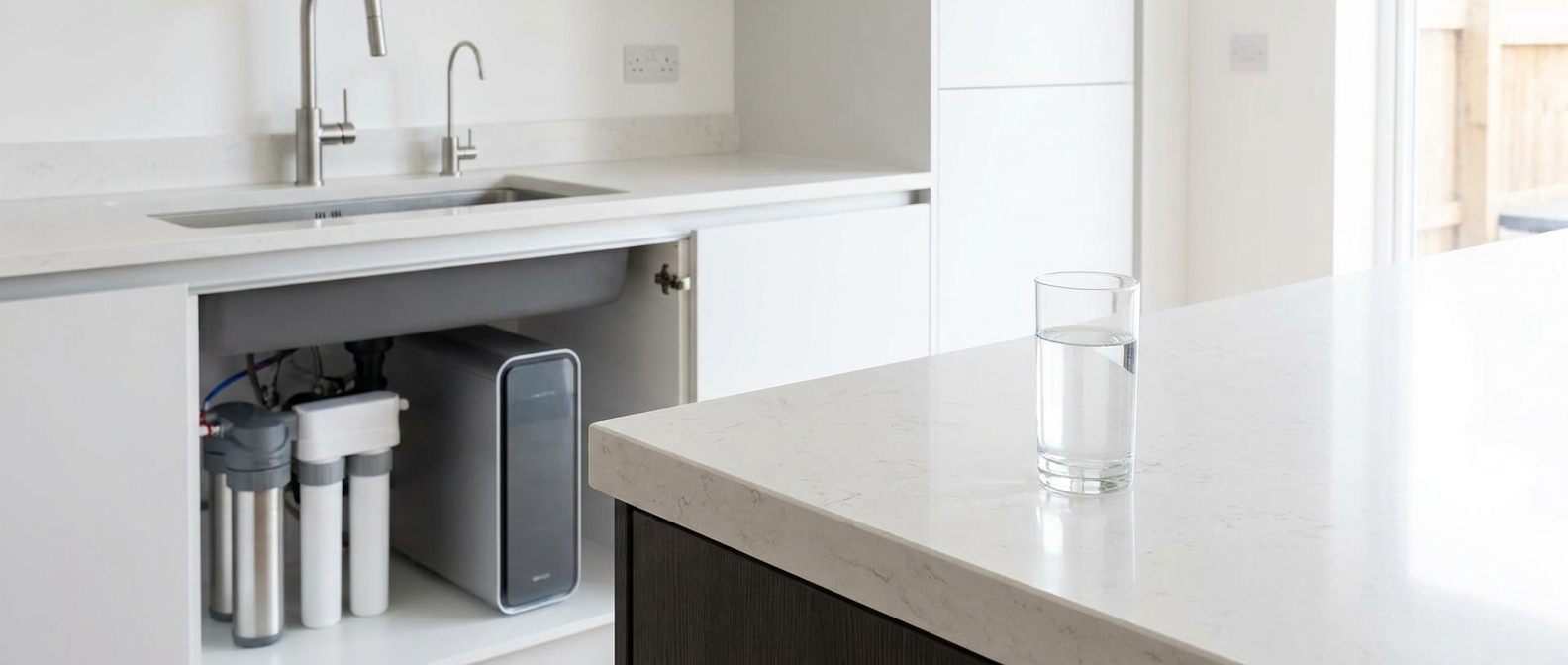
Understanding RO Plants for Your Home: A Practical Guide
If you’ve been looking into improving your home’s water quality, you’ve probably stumbled upon reverse osmosis (RO) plants. These nifty machines have gained popularity for their ability to purify water, making it safe for drinking and cooking. Let’s break down what RO plants are, how they work, and why you might want one for your home.
What is an RO Plant?
An RO plant is a water purification system that uses a semipermeable membrane to remove impurities from water. This includes contaminants like salts, bacteria, and chemicals, ensuring you get clean drinking water. Don’t let the technical jargon scare you off; the basic premise is simple: water passes through a filter that removes the bad stuff, leaving you with fresh water!
Why Consider an RO Plant?
The benefits of installing an RO plant in your home are numerous. Firstly, having access to clean water can significantly impact your health. Contaminated water can lead to various health issues, so an RO plant can be a significant investment in your family's well-being.
Additionally, if you live in areas with hard water, an RO plant can help soften it by removing minerals that make water hard. This not only makes your drinking water taste better but also protects your appliances from mineral buildup.
Cost and Maintenance
One common question that arises when considering an RO plant is the cost. The ro water plant 1000 lph price in hyderabad can vary based on the capacity needed and any additional features you may want. It's wise to compare prices and see what fits your budget while still providing the quality you desire.
When it comes to maintenance, RO plants are relatively low-maintenance but do require periodic filter changes. Set a reminder every 6-12 months to replace the filters, depending on the usage and water quality in your area.
Real-Life Tips for Choosing and Using an RO Plant
Wrapping Up
Investing in an RO plant can profoundly impact your home, providing safe drinking water for you and your family. Whether you're concerned about health issues or simply want better-tasting water, an RO system is a smart choice. Don't hesitate to do your research and make an informed decision; your body will thank you for it!


Comments
Post a Comment