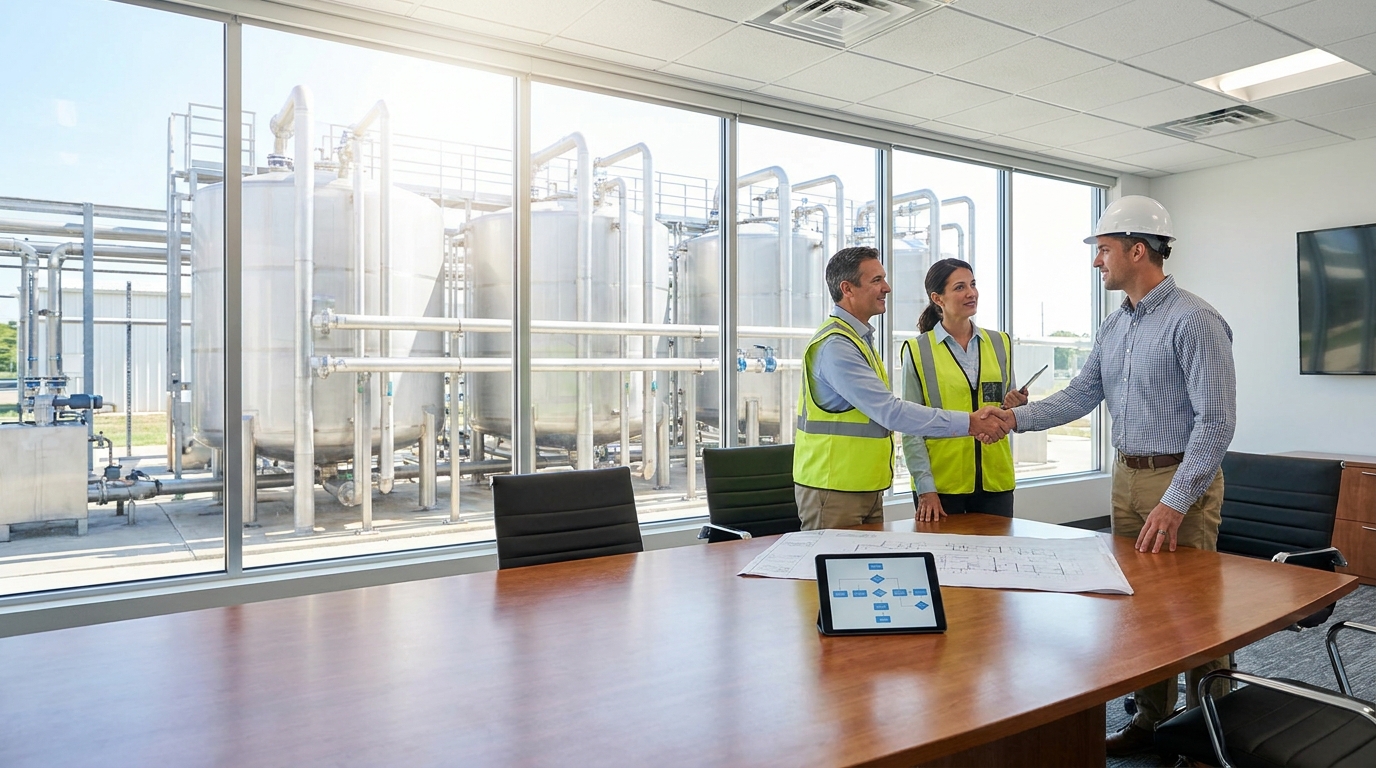
Understanding Effluent Treatment Plants
Effluent treatment plants (ETPs) play a crucial role in managing wastewater, ensuring that our water bodies remain free from pollution. They treat industrial effluents, making them safe for discharge or reuse. If your business generates wastewater, sourcing an effective ETP is essential for compliance and environmental responsibility.
Step 1: Identify Your Needs
Before you start searching for manufacturers, assess your specific requirements. Consider the volume of effluent generated and the types of pollutants present. For instance, if you run a food processing unit, your effluents may have high levels of organic matter. Understanding these needs will help you narrow down your options.
Step 2: Research Local Manufacturers
Local manufacturers can offer quicker service and support. Search for effluent treatment plant manufacturers in your area. A good place to start is
www.rocareindia.com, where you can find a list of reputable suppliers. Look for manufacturers that have a strong presence in your region and are familiar with local regulations.
Step 3: Evaluate Their Experience
Experience matters when it comes to choosing a manufacturer. Look for companies that have been in business for several years. An experienced manufacturer will understand the complexities of effluent treatment and will likely have a proven track record of successful installations. Don't hesitate to ask for case studies or references from previous clients.
Step 4: Check Their Technology
Effluent treatment technology is constantly evolving. Make sure the manufacturer uses the latest technology, as this can affect the efficiency and effectiveness of your treatment plant. Ask about the different treatment methods they offer—such as activated sludge systems, membrane bioreactors, or other innovative solutions. The right technology can significantly reduce your operating costs and environmental impact.
Step 5: Read Reviews and Testimonials
Don’t just rely on the manufacturer’s word. Look for customer reviews and testimonials. This gives you insight into the experiences of other businesses who have purchased ETPs from them. Online platforms, industry forums, and social media can be excellent sources for gathering genuine feedback.
Step 6: Assess After-Sales Support
An effluent treatment plant requires ongoing maintenance and support. Evaluate the manufacturer's after-sales service policy. Ensure they provide timely support and spare parts, and inquire about their training for your staff to operate the system effectively. Good after-sales support can prevent downtime and ensure your plant runs smoothly.
Step 7: Request Quotes and Compare
Once you have a shortlist, request detailed quotes from each manufacturer. Look beyond the price; consider what is included in the package, such as installation, training, and maintenance. Comparing these elements can help you make an informed decision.
Conclusion
Choosing the right effluent treatment plant manufacturer is crucial for the environmental health of your business. By following these steps, you can ensure that you select a reliable partner who meets your effluent treatment needs. Start your journey today and contribute to a cleaner future!
Related Posts
Discovering the Best Water Solutions: RO Plants and Purifiers in Krishna
The Importance of Reliable RO Customer Care for Your Water Purifier
Ensuring Optimal Performance with DM Plant Services in Krishna


Comments
Post a Comment