Understanding Sewage Treatment Plant Cost: What You Need to Know
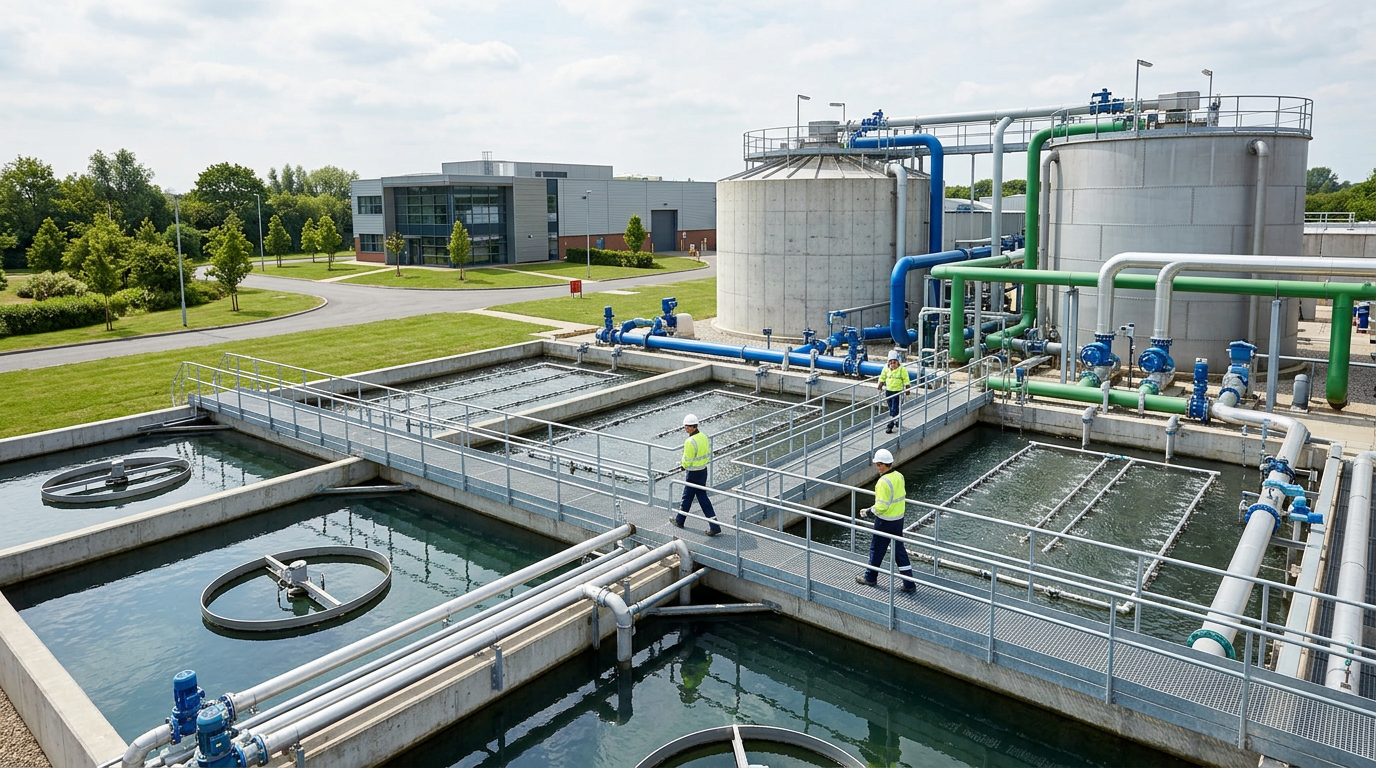
Understanding Sewage Treatment Plant Cost: What You Need to Know
Sewage treatment plant cost is a crucial factor for municipalities, industries, and residential areas seeking efficient waste management solutions. Whether you’re part of a local government planning a new facility or a business owner trying to improve your waste management, understanding these costs will guide your decisions. If you're in need of a reliable sewage treatment plant, you can find more information on Rocareindia.
The Problem with Sewage Treatment
Every day, countless communities face the challenge of managing wastewater effectively. Improper sewage management can lead to serious environmental issues, public health risks, and compliance problems with local regulations. But one of the biggest hurdles in establishing a proper sewage treatment plant is the cost associated with its construction, operation, and maintenance. The investment required can be daunting, leading to delays in projects or a lack of adequate facilities altogether.Why Sewage Treatment Plant Cost Matters
Understanding the cost of a sewage treatment plant is essential for several reasons:Breakdown of Sewage Treatment Plant Costs
Sewage treatment plant costs can vary widely based on numerous factors. Here are some key components to consider:1. Construction Costs
- Land Acquisition: The price of land can fluctuate based on location. Urban areas may have higher costs than rural ones. - Physical Infrastructure: This includes the costs of tanks, pipes, pumps, and treatment equipment, which can range significantly based on the technology employed. Traditional methods tend to be less expensive than advanced biological treatments.2. Operational Costs
- Energy Consumption: Many treatment processes require substantial energy. This is a recurring cost that should be estimated based on the plant’s capacity and treatment technology. - Labor: Skilled technicians and operators are needed to keep facilities running. Personnel costs can impact overall operational budgets significantly.3. Maintenance and Repairs
- Ongoing Maintenance: Regular maintenance is essential to ensure the plant operates efficiently. Budgeting for routine checks, system upgrades, and minor repairs can help prevent larger, unexpected expenses later. - Replacement Parts: Over time, equipment may need replacement. Planning for these costs ensures that facilities remain operational without unexpected downtime.Finding Solutions to Manage the Cost
There are several strategies to address sewage treatment plant costs effectively:1. Conduct a Thorough Needs Assessment
Before embarking on a project, understanding the specific needs of your community or business can help tailor the solution—and its costs. Engaging with stakeholders can provide insights and support in budget discussions.2. Explore Funding Options
Look for grants, subsidies, or low-interest loans designed for wastewater management projects. Local, state, and federal programs may offer financial assistance.3. Invest in Advanced Technology
While advanced systems may have higher initial costs, they often provide significant savings in terms of energy efficiency and reduced labor needs. Investing in technology that minimizes the ecological footprint can yield long-term financial benefits.4. Focus on Community Awareness
Educating the community on the importance of efficient sewage treatment and the necessity behind the costs can foster support. This can be essential for approval during budgeting processes and can even lead to community-based funding initiatives.5. Partner with Experienced Manufacturers
Collaborating with reputable sewage treatment plant manufacturers ensures you're making informed decisions regarding technology and the overall design of your plant. Their experience can be invaluable in navigating costs and identifying potential savings.Conclusion
Understanding sewage treatment plant costs is critical for effective planning and implementation of waste management solutions. By recognizing the various factors that influence these costs, stakeholders can better prepare for the financial commitments involved. With careful consideration and strategic planning, it’s possible to create a sustainable, efficient system that benefits both the environment and the community.For more guidance on finding the right sewage treatment plant for your needs, don’t hesitate to learn more at Rocareindia.
By analyzing costs thoroughly and planning strategically, we can ensure that our communities are equipped with the infrastructure needed to handle wastewater responsibly, ultimately leading to healthier and safer environments for all.


Comments
Post a Comment