How to Choose Sewage Treatment Plant Companies in Thane
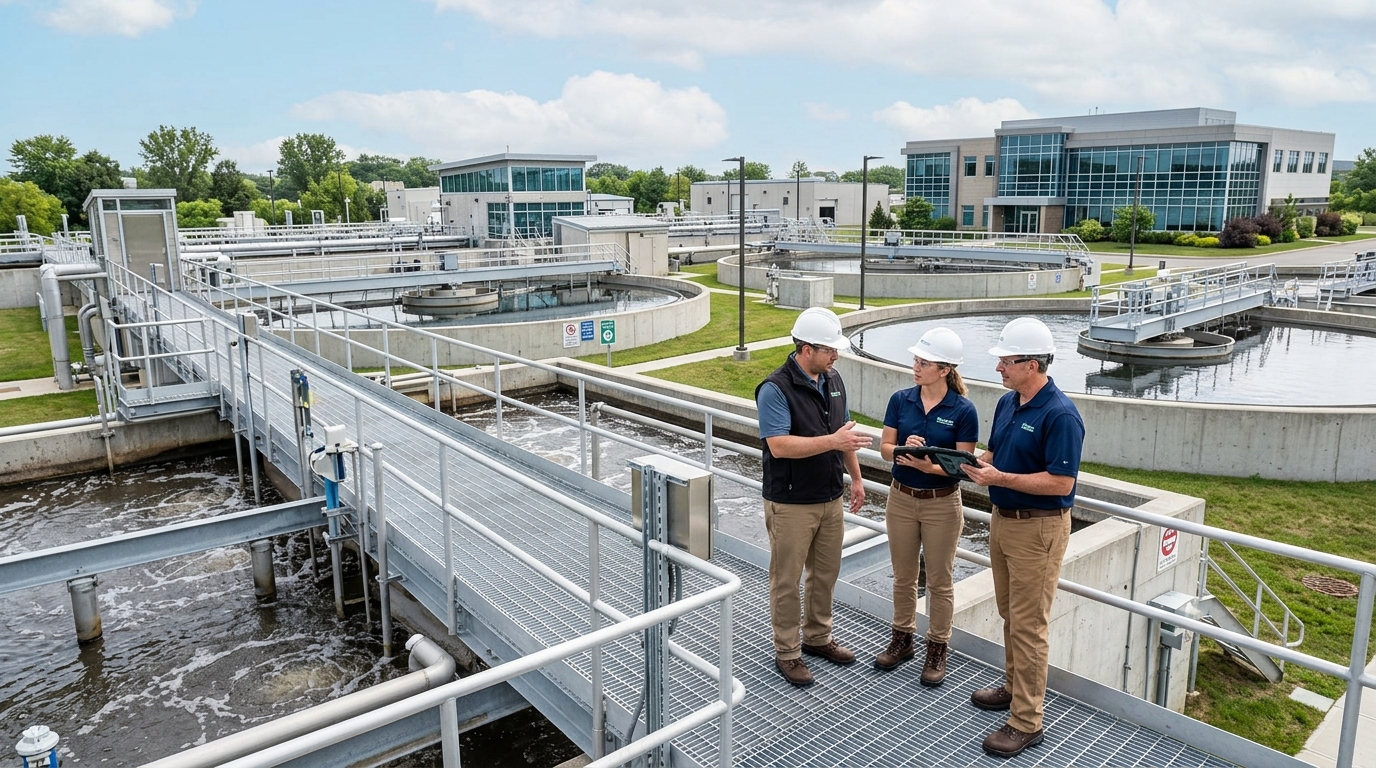
Many property owners and businesses underestimate the critical role of a properly designed and installed sewage treatment plant (STP). They might hastily select a provider based solely on the lowest quote, or delay implementing a necessary system. This oversight can lead to severe environmental penalties, health risks, and costly rectifications down the line. To avoid these pitfalls, knowing how to pick the right sewage treatment plant companies is crucial for ensuring effective waste management and compliance.
Why Investing in Proper Sewage Treatment is Non-Negotiable
Failing to address wastewater effectively carries significant consequences, impacting both the environment and your operations. Untreated sewage pollutes local water bodies, harms aquatic life, and contributes to the spread of waterborne diseases, posing a severe public health risk. For businesses and property owners in areas like Thane, non-compliance with environmental regulations can result in heavy fines, stringent legal action, and irreparable damage to reputation. Furthermore, a poorly functioning STP can lead to unpleasant odours and unhygienic conditions on your property, directly impacting daily operations, tenant satisfaction, and overall well-being. Investing in a robust STP is not just a regulatory requirement; it's a fundamental investment in public health, environmental protection, and the long-term sustainability of your property or business.
Before even contacting potential providers, it's essential to understand your specific sewage treatment needs comprehensively. Consider the precise volume and type of wastewater generated on your property—is it primarily domestic sewage from a residential complex, or does it include specific industrial effluent with unique contaminants? What is the available space for installation, and are there any site-specific challenges or limitations? Future expansion plans should also factor into the system's design capacity, ensuring it can accommodate growth without requiring immediate, costly upgrades. A truly reliable company will conduct a thorough site survey and detailed water analysis to accurately determine the appropriate STP technology and size for optimal, long-term performance.
Key Considerations for Choosing Your STP Partner in Thane
Selecting an experienced and reputable provider is paramount for a successful STP project. Look for companies with a proven track record specifically in sewage treatment, rather than general water solutions. Certifications and strict adherence to national and local environmental standards are non-negotiable indicators of their credibility and commitment to quality. A reputable company will offer transparent documentation, provide relevant case studies, and readily share client references from projects similar to yours. Their expertise should cover various STP technologies, such as activated sludge, MBR, SBR, or MBBR, allowing them to recommend the most suitable system for your specific needs, site conditions, and budget. This tailored approach ensures efficiency and cost-effectiveness.
STP costs vary significantly based on capacity, technology employed, and site complexity. For a small residential complex or commercial unit, prices might range from ₹5 Lakh to ₹20 Lakh, while larger industrial plants could easily exceed ₹50 Lakh. This investment typically covers comprehensive system design, supply of high-quality equipment, professional installation services, necessary civil work, electrical connections, and crucial initial commissioning. Always clarify what is explicitly included in the quote, specifically asking about transportation costs, labour charges, required permits, and post-installation support. Unexpected charges can quickly inflate the total project cost, so ensure all aspects are detailed upfront in the contract.
The duration of an STP project depends heavily on its scale and complexity. A smaller, pre-fabricated system might be installed within 4-8 weeks from order placement, offering a relatively quick turnaround. Larger, custom-designed plants, requiring extensive civil work and specialized components, could take 3-6 months or even longer to complete. This timeline typically encompasses the initial consultation, detailed site assessment, design finalization, manufacturing or procurement of components, civil construction, installation, electrical connections, and critical commissioning phases, which ensure the plant operates as intended. Ensure the company provides a clear project schedule with defined milestones and regular progress updates.
When evaluating providers, be wary of companies that offer exceptionally low prices without clear, justifiable reasons or those that push for immediate decisions without thorough consultation. A reliable provider will not shy away from detailed technical explanations, multiple site visits, or transparent discussions about their processes. Watch out for vague contracts that lack specific deliverables, clear warranties on equipment and workmanship, or detailed maintenance schedules. Companies unwilling to provide verifiable client testimonials or openly demonstrate their past work are also significant red flags. Always verify their licensing, ensure they have adequate insurance, and confirm they possess a deep understanding of local environmental regulations relevant to Thane.
Ensuring Long-Term Performance Through Smart Selection and Aftercare
The long-term functionality and efficiency of an STP rely heavily on consistent and professional maintenance. Therefore, it is crucial to inquire about the company's after-sales support, including the availability of comprehensive annual maintenance contracts (AMCs), ready availability of spare parts, and swift emergency services. A good AMC ensures regular inspections, timely servicing, calibration, and quick resolution of any operational issues, maximizing the lifespan and efficiency of your plant. Neglecting post-installation care can severely compromise the STP's effectiveness, leading to expensive repairs, regulatory non-compliance, and environmental harm later. Choosing a partner who prioritizes ongoing support is as important as the initial installation itself.
By carefully considering all these factors—from understanding your specific needs to evaluating a company's credentials, reviewing costs and timelines, and prioritizing after-sales support—you can make an informed decision. This strategic approach will secure an efficient, compliant, and cost-effective sewage treatment solution that serves your property or business effectively for years to come.


Comments
Post a Comment