Maximize Efficiency with Your Effluent Water Treatment Plant
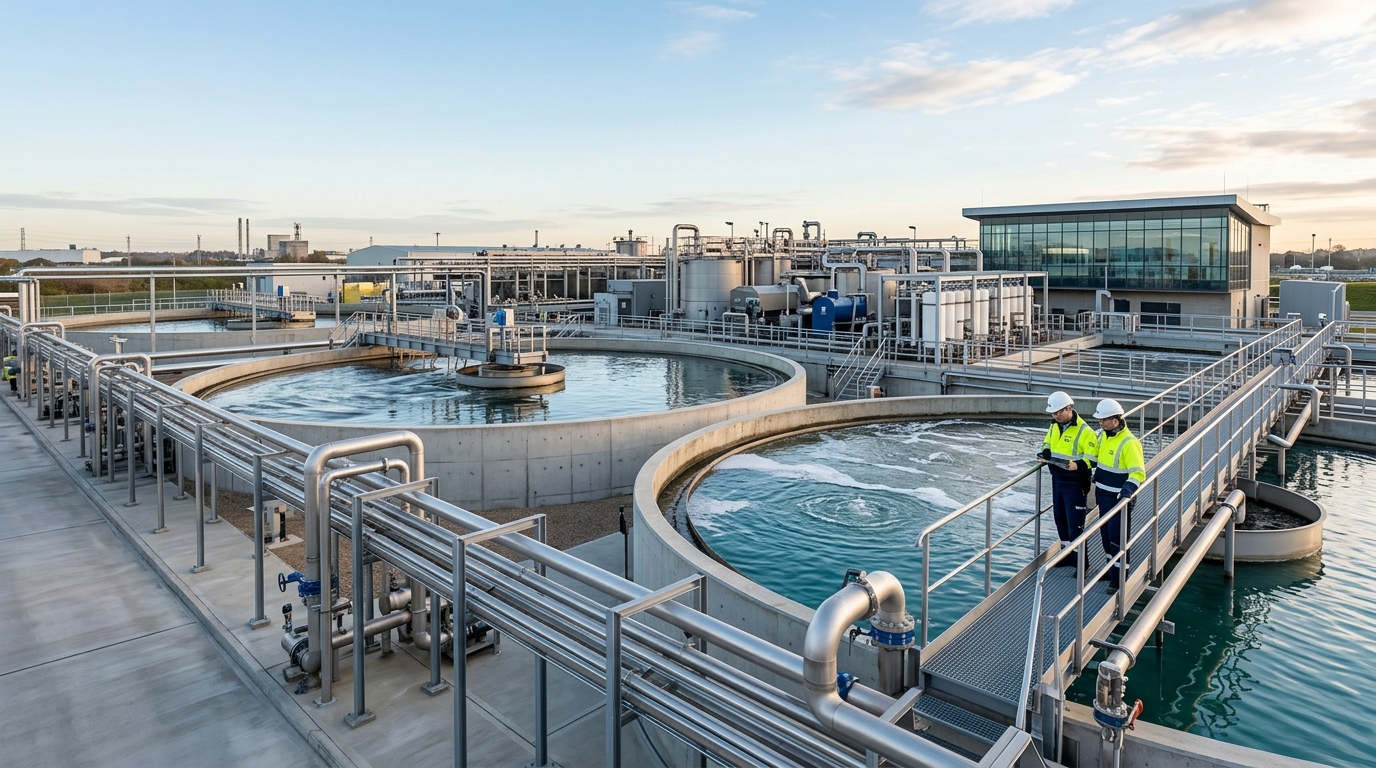
What is an Effluent Water Treatment Plant?
An Effluent Water Treatment Plant (ETP) is designed to treat wastewater from industrial processes before it's discharged back into the environment. By efficiently treating this wastewater, businesses can comply with environmental regulations while minimizing their ecological footprint.
For Effluent Water treatment plant cost, booking online takes a minute.
How Much Does an Effluent Water Treatment Plant Cost in Panchkula?
The cost of an effluent water treatment plant in Panchkula can vary widely based on size, technology used, and specific treatment needs. On average, you can expect prices to range from ₹10 lakhs to ₹50 lakhs, depending on the complexity of the system. However, it's not uncommon for high-capacity systems or advanced technologies to exceed this range, with some installations costing upwards of ₹1 crore.
Additional factors that may influence pricing include:
- Capacity requirements: Larger plants (which can handle 1000 m³/day or more) tend to be more expensive, while small-scale systems catering to less than 50 m³/day are generally at the lower end of the price scale.
- Technology options: Advanced treatment methods, such as membrane bioreactors and ultrafiltration, could increase costs significantly due to their sophisticated equipment and operational requirements.
- Installation and maintenance: Ongoing support can affect your overall investment. Maintenance contracts may vary from ₹25,000 to ₹1,00,000 annually, depending on the complexity of the system.
For accurate pricing, consider requesting multiple quotes from local manufacturers specializing in ETP systems. You can start your research by visiting Effluent Water treatment plant cost.
What to Consider Before Installing an ETP in Panchkula?
Before moving forward with an installation, several factors should be evaluated:
- Local regulations: Ensure your plant meets the necessary government standards, including obtaining necessary permits from environmental authorities.
- Sewage disposal methods: Understand how treated water will be disposed of or reused. Options include discharge into natural bodies of water, land application, or even recycling within your facility.
- Projected wastewater volume: Calculate your facility's average effluent output. Engage with a specialist to determine the peak flow rates and daily averages to size your plant correctly.
- Space requirements: Ensure you have sufficient area for the plant’s infrastructure; this includes not only the plant itself but also access for maintenance and any surrounding buffer zones.
Consultation with an experienced ETP manufacturer can help clarify these points, ensuring a tailored solution for your needs.
How Long Does It Take to Install an Effluent Treatment Plant?
The installation of an ETP can take anywhere from 6 weeks to 6 months, and the timeline largely depends on the complexity of the planned system. Here’s a breakdown of the process:
- Design and Planning (2-4 weeks): This stage includes assessing your needs, understanding regulatory requirements, and designing the system tailored for your specific effluent types and volumes.
- Manufacturing (4-8 weeks): Custom components are fabricated during this phase, which can include construction of tanks, assembly of pumps, and integration of control systems.
- Installation (2-8 weeks): Actual setup time will vary based on the plant’s size and the conditions on-site. Larger facilities may take additional time for installation due to their complexity and need for multiple components.
Planning ahead can help streamline the process; gathering relevant documentation and engaging early with the ETP manufacturer can ensure you're ready to go as soon as installation is complete.
What Are the Warning Signs That Your ETP Needs Maintenance?
Regular maintenance of your effluent treatment plant is critical to its performance. Watch for these warning signs:
- Unusual odors: A strong or strange smell could indicate system problems, potentially due to anaerobic processes or chemical imbalances.
- Discoloration of treated water: If the treated water is not clear or has visible particles, it may not be treated effectively and could indicate faults within your primary or secondary treatment units.
- Increased energy bills: Higher operational costs may signal inefficiencies, possibly due to clogged filters or malfunctioning pumps.
- Frequent breakdowns: More repairs than usual can point toward deeper issues, highlighting the need for a comprehensive inspection.
Being vigilant about these signs can save time and money in the long run. Regular operational checks and proactive maintenance are crucial for ensuring consistent performance.
What Should Be Included in ETP Plant Installation?
When you opt for an effluent treatment plant installation, ensure the following components are included:
- Pre-treatment system: Essential for removing large solids before treatment, often utilizing screens or grit chambers.
- Primary treatment unit: Handles sedimentation and floating solids, typically employing clarifiers.
- Secondary treatment unit: Involves biological processes (e.g., activated sludge systems or trickling filters) that break down organic materials.
- Disinfection system: Ensures that harmful pathogens are eliminated before discharge; options include UV treatment or chlorination.
- Control system: Automates operations and monitoring for efficiency and compliance, allowing for real-time data collection and alerts for unusual activity.
Make sure to discuss these components with your manufacturer to tailor the system to your specific requirements. An inclusive proposal will give you a comprehensive cost estimate and ensure all necessary components are accounted for in your installation.
How to Choose the Right Manufacturer for Your ETP?
Selecting the right ETP manufacturer in Panchkula is crucial for effective operation. Here are some tips:
- Check for experience: Look for manufacturers with a robust portfolio in designing and installing ETPs. Ideally, they should have at least 5-10 years of industry experience.
- Read customer reviews: Testimonials and case studies can provide insights into their service and reliability. Consider contacting past clients directly for feedback.
- Evaluate service offerings: Consider whether they provide comprehensive maintenance support, including training for your staff on operation and troubleshooting.
- Get multiple quotes: Comparing bids from different manufacturers can help ensure you get a fair price. Don’t just consider the cost; evaluate the total value based on warranty, durability of equipment, and customer service.
A careful selection process will lead to a partnership that meets your effluent treatment needs effectively, ultimately ensuring compliance with regulations and protecting the environment.


Comments
Post a Comment