Your Beginner’s Guide to Choosing the Right ETP Plant
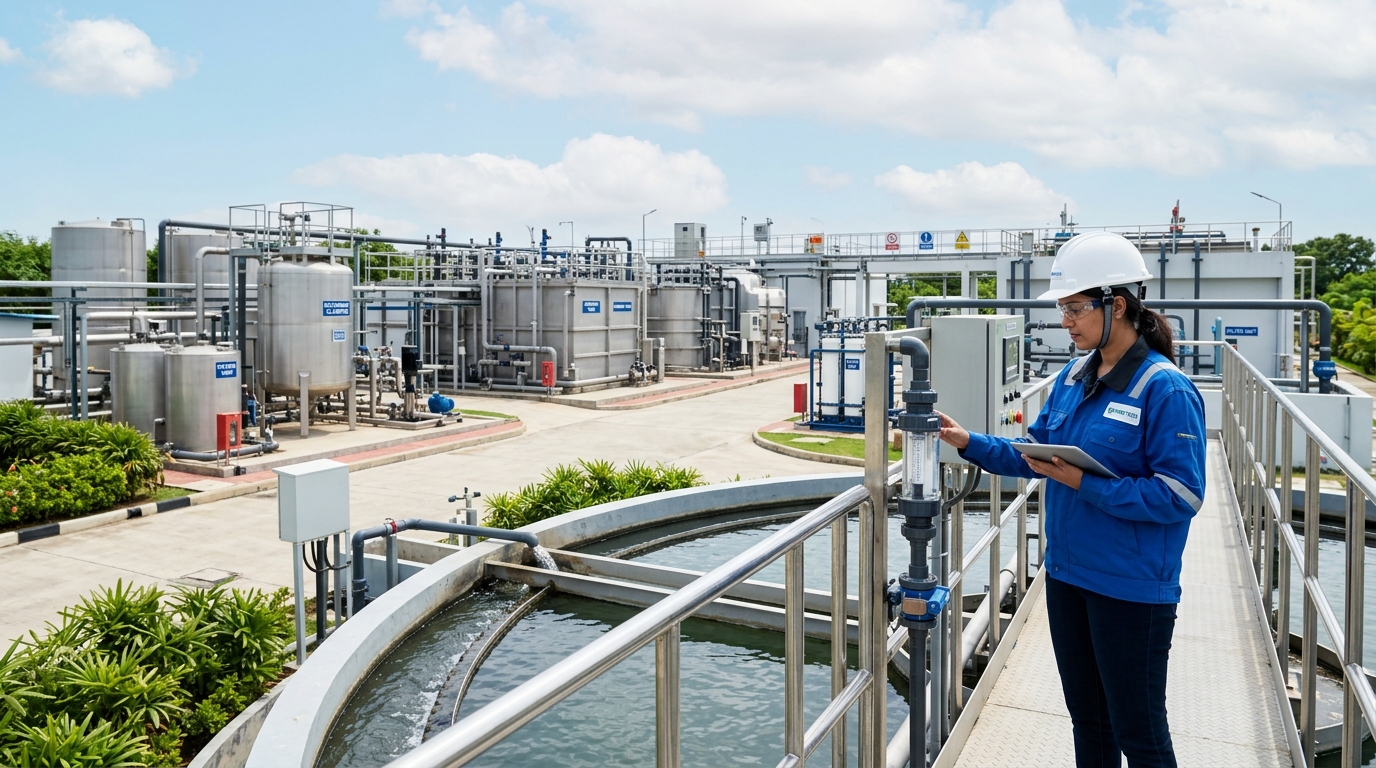
Recognizing Common Mistakes in ETP Plant Selection
Selecting an effluent treatment plant (ETP plant) without proper research is a common mistake that many businesses in Mumbai make. Some assume that all treatment plants function the same or that they can easily install the system without professional help. This can lead to costly repairs, non-compliance with regulations, and environmental damage. Understanding the right ETP plant for your needs can prevent these costly errors and ensure your business operates smoothly.
To start, it's essential to know what an ETP plant does. An ETP is designed to treat industrial wastewater, making it safe for discharge. A poorly chosen or improperly maintained ETP can not only harm the environment but can also lead to significant financial penalties.
For those looking for reliable solutions in Mumbai, Effluent Water treatment plant manufacturers can provide guidance on choosing the right system for your business.
Why Choosing the Right ETP Plant Matters
The importance of selecting the appropriate ETP plant cannot be overstated. Here's why:
- Legal Compliance: Different industries have varying regulations concerning wastewater discharge. Choosing an ETP plant that doesn’t meet the legal requirements can lead to heavy fines and operational disruptions. Compliance with the Maharashtra Pollution Control Board (MPCB) standards, as well as central pollution regulations, is critical to avoid sanctions that can run into lakhs of rupees.
- Environmental Impact: An effective ETP plant minimizes environmental pollution. A poorly functioning plant can release harmful toxins into waterways, diminishing local ecosystems and public health. Environmental ramifications, particularly in a densely populated city like Mumbai, can result in negative publicity and loss of business.
- Cost Efficiency: The right ETP plant can significantly reduce operational costs by maximizing water recycling and minimizing disposal fees. Industries that efficiently treat and reuse their wastewater can see substantial savings, especially in water-scarce regions.
In Mumbai, where industries vary from textiles to food processing, understanding the specific treatment needs of your effluent is crucial in making an informed decision about your ETP plant.
Key Factors to Consider When Selecting an ETP Plant
When exploring options for an ETP plant, consider the following factors:
1. Type of Wastewater
Before selecting an ETP plant, identify the type of wastewater your operations generate. Different processes — like chemical manufacturing, food processing, or pharmaceuticals — produce different effluents, which require specialized treatment methods. Knowing your wastewater's characteristics, such as pH levels, biochemical oxygen demand (BOD), and total suspended solids (TSS), can guide you in selecting the most appropriate ETP plant.
2. Size and Capacity Requirements
The size and capacity of the ETP plant should align with your production levels. If your company’s effluent volume increases, your system must accommodate that growth. ETP plants have various capacities that can range from processing 1,000 liters per day to over 100,000 liters per day. It’s crucial to select one that can handle peak loads without compromising treatment quality. For example, a textile factory may require a plant with a capacity exceeding 10,000 liters per day during peak operations.
3. Technology and Treatment Processes
Familiarize yourself with the different technologies used in ETP plants, such as activated sludge, membrane bioreactors, or advanced oxidation processes. Each method has its pros and cons, and the right technology will depend on your wastewater characteristics and treatment goals. For instance, activated sludge systems are commonly used for their effectiveness in BOD reduction, while membrane bioreactors offer higher efficiency and smaller footprints.
4. Compliance with Local Regulations
In Mumbai, various regulatory bodies monitor effluent discharge standards. It’s essential to work with ETP plant manufacturers who are knowledgeable about local regulations to ensure that the system meets all legal requirements. Compliance not only safeguards the environment but also protects your business from penalties imposed by the Maharashtra Pollution Control Board (MPCB) or the Central Pollution Control Board (CPCB).
5. Installation and Maintenance Costs
When selecting an ETP plant, it’s critical to consider both initial installation costs and ongoing maintenance expenses. In Mumbai, prices may vary significantly based on the technology and capacity chosen, but typically, the initial investment can range from INR 5 lakh to INR 50 lakh depending on the plant’s complexity and capacity. A basic ETP system might cost around INR 5 lakh, while more advanced systems with integrated technologies can exceed INR 50 lakh. Ongoing maintenance can also require about 10-15% of the installation cost annually, so be sure to factor this into your budget. Regular maintenance includes routine inspections, filter replacements, and system calibrations, which are essential for efficient operation.
Identifying Warning Signs of ETP Malfunctions
Once your ETP plant is in operation, keeping an eye on its performance is vital. Here are some warning signs to look out for:
- Unusual Odors: Strong, unpleasant smells can indicate that the treatment process isn't functioning properly. Such odors often signal anaerobic conditions where harmful bacteria may thrive.
- Discolored Effluent: If the water being discharged appears cloudy or colored, it can signal a problem with the treatment plant. Discolored effluent can indicate that solids or contaminants are not being adequately removed.
- Frequent Sludge Buildup: Excessive sludge can indicate that the system is overloaded or not isolating contaminants effectively. Regular monitoring of sludge levels can ensure you’re not at risk for plant inefficiency or potential overflows.
What to Check Before Booking an ETP Plant
When you decide to book an ETP plant, ensure you check:
- Customer Reviews and Testimonials: Read about the experiences other customers in Mumbai have had with the manufacturer. Seek feedback regarding both performance and customer service.
- Technical Support Availability: Confirm that the manufacturer offers adequate technical support and training for your staff. Quality training can lead to better system operation and troubleshooting.
- After-Sales Services: Look for warranty options and maintenance services that are readily available after installation. This service will help ensure longevity and efficient operation of your system. Manufacturers that provide annual maintenance contracts (AMC) can often enhance your plant's reliability at a manageable cost.
Conclusion: Making the Right Choice for Your Business
Choosing the right ETP plant requires careful consideration and understanding of your specific wastewater treatment needs. By being mindful of the common mistakes outlined in this guide and focusing on the key factors, you can make a well-informed decision for your business in Mumbai.
Investing time in researching and selecting the right ETP manufacturer will not only enhance your operational efficiency but will also contribute to a cleaner environment and compliance with local regulations. Don’t hesitate to consult experts in the field to ensure that your enterprise makes a responsible choice toward sustainable wastewater management.


Comments
Post a Comment