5 Key Factors to Consider When Choosing Sewage Treatment Plant Manufacturers
Introduction
Discover essential insights about choosing the right sewage treatment plant manufacturers for your needs. You'll learn about costs, key features, and important considerations when selecting a sewage treatment plant for your home or business.
For sewage treatment plant manufacturers, booking online takes a minute.
Understanding Sewage Treatment Plants
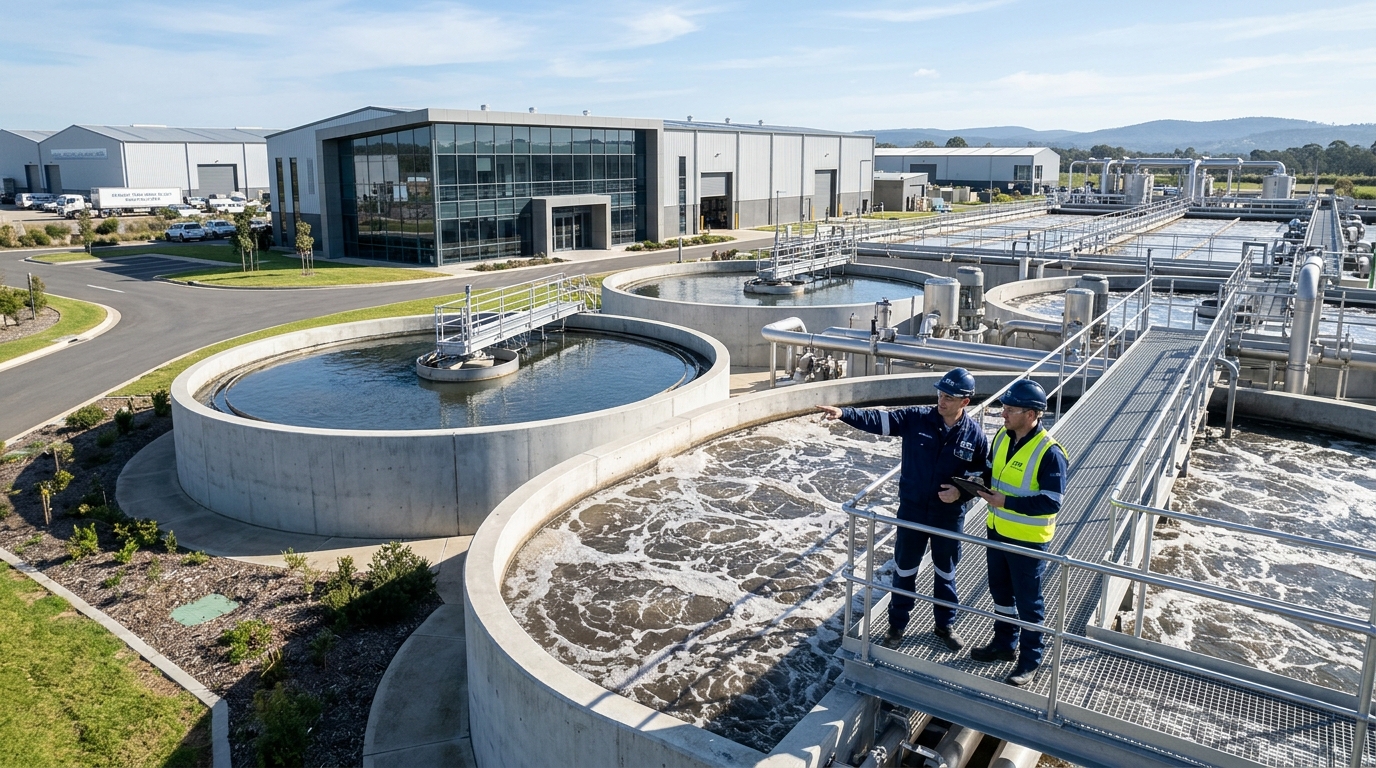
A sewage treatment plant is designed to treat wastewater and sewage to make it safe for disposal or reuse. These plants play a vital role in environmental protection and public health by processing sewage water, reducing pollutants, and ensuring that effluent released back into the environment meets safety standards. This is especially relevant for urban areas like Gurgaon, where wastewater management is crucial.
Costs to Expect for Sewage Treatment Plants
When considering a sewage treatment plant, it’s important to understand the cost implications. The sewage treatment plant cost can vary significantly based on several factors, including:
- Type of Plant: Different types of sewage treatment plants, such as STP (Sewage Treatment Plant) treatment plants, come with varied price points. Common types include activated sludge systems, membrane bioreactors, and biofilter systems.
- Size of the Installation: Larger capacities will generally cost more. For example, a small residential unit might start at around ₹300,000, while larger commercial or industrial systems can go up to ₹1,500,000 or more.
- Features and Technology: Advanced technologies for better efficiency may escalate costs. Features such as automated control systems, energy-efficient designs, and advanced filtration processes can significantly increase the investment required.
In Gurgaon, the typical price range for a standard sewage treatment plant can be anywhere from ₹300,000 to ₹1,500,000, depending on the aforementioned factors. It’s advisable to get multiple quotes from different sewage treatment plant companies to ensure a fair price. Always inquire about what the initial pricing covers, including any installation fees and warranties.
How Long Does Installation Take?
The installation timeline for a sewage treatment plant can vary but generally takes between 2 to 4 weeks. Factors influencing the duration include the complexity of the installation, accessibility of the site, and weather conditions. Complex installations requiring extensive groundwork or special permits may take longer. Ensure you discuss the timeline with your chosen manufacturer to minimize disruptions to your daily activities and plan accordingly.
Key Features of STP Plants
Choosing the right STP plant requires understanding the essential features that can affect performance:
- Capacity: Ensure the sewage treatment plant can handle the volume of sewage generated by your property. Calculate peak usage to avoid overloading the system.
- Technology Used: Innovative designs like biological treatment processes, membrane bioreactors, or chemical treatment can enhance efficiency and reduce overall operational costs.
- Maintenance Requirements: Some plants require more upkeep than others; choose one that fits your maintenance schedule. Typically, a well-designed STP might need professional servicing every six months to a year, depending on usage.
Before finalizing a purchase with sewage treatment plant manufacturers, inquire about these features to ensure you make an informed decision. You may also want to ask about the expected lifespan of the plant and any ongoing operational costs.
Signs You Need a New Sewage Treatment Plant
Recognizing that your current sewage treatment system might need an upgrade is crucial. Look out for these warning signs:
- Foul Odors: Persistent bad smells around your property can indicate system failure or overflow.
- Slow Draining: If sewage or wastewater isn't draining properly, it could be a sign of blockage or system overload.
- Effluent Quality Issues: Changes in the quality of treated sewage can signal that your system isn't functioning optimally. Receiving complaints about water quality from neighbors or visible signs of overflow can also indicate a failing system.
If you notice any of these signs, it may be time to consult with professionals from sewage treatment plant companies in Gurgaon for potential solutions. Manufacturers like those listed at sewage treatment plant manufacturers can help assess your needs and recommend appropriate systems.
What to Check Before Booking
Before committing to a sewage treatment plant, here are critical factors you should consider:
- Licensing and Certification: Ensure that the manufacturers are accredited and comply with local regulations. Look for certifications that demonstrate adherence to environmental standards.
- After-Sales Support: Assess the warranty and service options for maintenance and support. Knowing the response times for service calls can give you peace of mind.
- Client Reviews: Look for testimonials or reviews from previous clients to gauge reliability and performance. Websites and social media platforms can be great resources for real user feedback.
These checks can save you time, money, and potential issues down the line. It’s worth visiting the manufacturing facility if possible and asking for case studies related to similar projects in your area.
Conclusion
Selecting the right sewage treatment plant manufacturers can greatly impact your property’s sewage management. By understanding the costs, features, and signs that indicate the need for a new system, you can make a more informed decision. Be thorough in your research, and consider reaching out to local experts in Gurgaon to explore your options further.
Taking the time to evaluate your needs and carefully select a manufacturer will lead to better outcomes for your property and ensure compliance with local health and environmental regulations.
Related Posts
- Step-by-Step: What Happens During RO Maintenance in Vijayawada
- Why Should I Hire a Technician for My RO in Kolkata?
- Is it the Right Time to Call an RO Technician if the Water Flow is Slow?
- The Importance of RO Service for Clean and Safe Drinking Water
- Real Customer Stories: Best RO Service Center Vijayawada Success in Vijayawada


Comments
Post a Comment