6 Key Questions About Water Purifier Repair in Nashik
1. What are the common signs that my water purifier needs repair?
A water purifier may show several signs indicating it needs repair, and recognizing these early can prevent more significant problems and ensure continuous access to clean drinking water.
- Decreased Water Flow: One of the most common indicators is a noticeable reduction in the rate at which purified water dispenses. This can manifest as a slow drip from the tap or taking an unusually long time to fill a bottle. The primary culprits for decreased flow are often clogged sediment or carbon filters, an exhausted RO membrane, or even a malfunctioning pressure pump. Before calling a technician, you might check if the water supply to the purifier is adequate and if the pre-filter housing is visibly dirty or clogged. Sometimes, a simple cleaning of the pre-filter bowl can significantly improve flow.
- Odd Tastes or Odors: Your drinking water should be tasteless and odorless. If you detect unusual flavors like metallic, earthy, salty, or even a chlorine-like smell after purification, it’s a strong sign of an issue. A metallic taste might indicate the presence of dissolved heavy metals, while an earthy or musty smell could point to bacterial contamination or a worn-out activated carbon filter. A salty taste could signify a damaged or inefficient RO membrane allowing high TDS water to pass through. These issues not only affect the taste but can also pose health risks.
- Unusual Noises: While purifiers typically make a low humming sound, any loud grinding, rattling, or continuous buzzing could indicate a problem with the motor, pump, or other internal components. These noises often suggest wear and tear or a blockage interfering with mechanical operations.
- Constant Water Leakage: Any visible water leakage from the purifier unit or its pipes is a critical sign that requires immediate attention. Leaks can result from loose fittings, cracked filter housings, damaged membranes, or worn-out O-rings. Ignoring a leak can lead to water damage in your home and potential electrical hazards if water comes into contact with wiring.
- Indicator Lights Showing Malfunction: Most modern water purifiers come equipped with indicator lights for various functions – power, purification in progress, filter change alerts, or error codes. If these lights are blinking unusually, staying off when they should be on, or displaying an error message, consult your purifier's manual to understand what the code signifies. Often, a specific light indicates an immediate need for filter replacement or professional repair.
Regular maintenance can help prevent many of these issues, but if they arise, contacting a professional technician for water purifier repair is essential. Delaying repairs can lead to further damage to the unit, higher repair costs, and, most importantly, compromise the quality and safety of your drinking water. In Nashik, technicians are readily available to assist you with these common problems, ensuring your family has access to pure water.
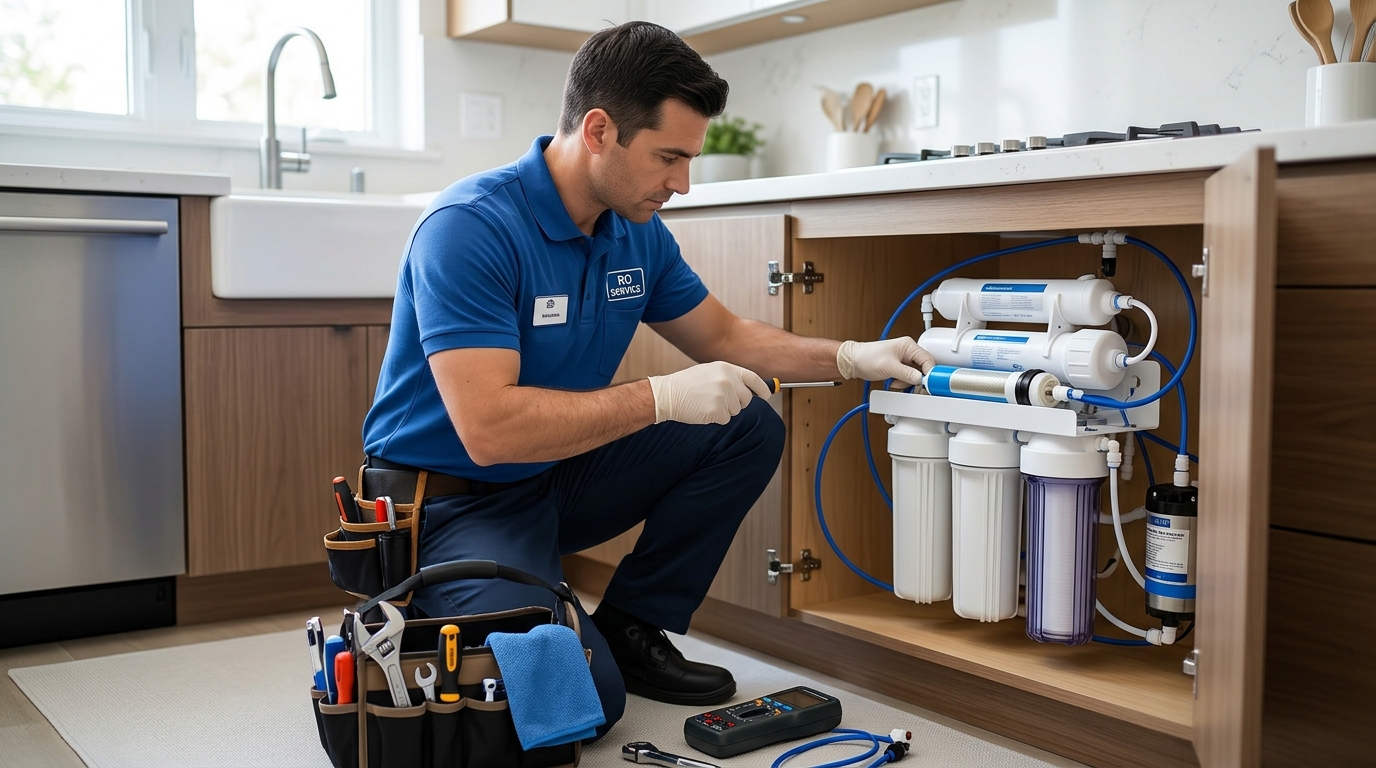
Trained technicians handle water purifier repair across the area.
2. How does Eureka Forbes assist in water purifier repair?
Eureka Forbes is a household name in India, renowned for its reliable Aquaguard range of water purifiers, and they offer exceptional repair services to match. If your Eureka Forbes purifier is experiencing issues, their customer-centric approach ensures a smooth repair process.
- Booking a Service: For residents in Nashik city, accessing Eureka Forbes services is a straightforward process. You can typically register a service request through their dedicated customer care helpline, their official website, or a mobile application. When booking, it’s helpful to provide your purifier's model number and a clear description of the problem, which allows technicians to prepare better for the visit.
- Trained and Certified Technicians: Eureka Forbes prides itself on employing a team of highly trained and certified technicians who specialize in their product range. These professionals possess in-depth knowledge of various Aquaguard models, including RO, UV, and UF purifiers. Their expertise allows them to accurately diagnose complex issues, from electrical faults to membrane blockages, ensuring that the root cause of the problem is identified and resolved efficiently.
- Genuine Spare Parts: A significant advantage of opting for Eureka Forbes' official service is the assurance of genuine spare parts. Using authentic components like RO membranes, UV lamps, sediment filters, and activated carbon filters is crucial for maintaining the purifier's performance, longevity, and ensuring the quality of purified water. Non-genuine parts might be cheaper initially but can compromise the purifier's efficiency and potentially void your warranty.
- Comprehensive Repair Services: Eureka Forbes technicians can address a wide array of problems, including:
- Filter Replacement: Regular replacement of sediment, carbon, and post-carbon filters is crucial. They also provide RO membrane replacement, which is vital for high TDS water.
- UV Lamp Replacement: For UV purifiers, they replace expired or faulty UV lamps, ensuring effective germicidal action.
- Pump and Motor Repair: Addressing issues with the booster pump or motor that affect water flow and pressure.
- Leakage Detection and Repair: Identifying and fixing leaks from pipes, fittings, or filter housings.
- Electrical Faults: Repairing wiring issues, power supply problems, or malfunctioning sensors.
- TDS Adjustment: Ensuring the Total Dissolved Solids level in the purified water is within the optimal range for taste and health.
- Service Guarantee: Eureka Forbes often provides a service guarantee for their repairs, giving customers peace of mind. This means if the same issue reoccurs within a specified period, they will address it without additional labor charges. This commitment to quality and customer satisfaction enables quick resolutions to your water purification challenges, making Eureka Forbes a trusted choice for many households in Nashik. While Eureka Forbes specializes in their own brand, other reputable brands like Kent, Livpure, Pureit, and Aquafresh also have dedicated service networks in Nashik, offering similar professional repair and maintenance services.
3. What is the average cost of water purifier repair in Nashik?
The cost of water purifier repair in Nashik can vary widely depending on the issue at hand, the brand of the purifier, the specific parts required, and the service provider you choose. On average, basic repairs and services can range from ₹500 to ₹2000, but more complex issues involving major component replacements can go higher. Here’s a breakdown of typical costs for common repairs:
- Service Visit/Inspection Charge: Most technicians or service centers will charge a nominal visit fee or inspection charge, typically ranging from ₹200 to ₹400. This fee usually covers the technician's travel and diagnostic time, and it may be waived or adjusted if you proceed with the repair through the same provider.
- Filter Replacement: This is one of the most frequent service requirements.
- Sediment Filter & Activated Carbon Filter: These need replacement every 6-12 months. The cost for genuine filters and labor usually ranges from ₹400 to ₹800 per filter.
- RO Membrane: This critical component typically lasts 1-3 years, depending on water quality and usage. Replacing an RO membrane can be more expensive, ranging from ₹1200 to ₹2500 for the part and labor, especially for branded purifiers.
- UV Lamp: If your purifier has a UV component, the lamp needs replacement every 1-2 years. The cost for a new UV lamp and its installation is generally between ₹600 to ₹1200.
- Pre-Filter Bowl & Candle: External pre-filters protect the main unit and should be cleaned or replaced regularly. A new pre-filter candle usually costs ₹150-₹300, plus labor if installed separately.
- Pump and Motor Repair/Replacement: The booster pump is crucial for maintaining water pressure. If it malfunctions, you might notice very slow flow or no water output. Minor repairs to the pump might cost ₹500 to ₹1000, while a complete replacement of a booster pump can range from ₹1800 to ₹3500, depending on the brand and model.
- Leakage Repair: Fixing leaks can be relatively inexpensive if it’s just tightening a loose fitting or replacing a small O-ring, costing ₹300 to ₹700. If a filter housing or pipe needs replacement, the cost could increase to ₹800 to ₹1500.
- Electrical Issues: Problems with wiring, sensors, or the SMPS (Switch-Mode Power Supply) can cost between ₹500 to ₹1500, depending on the specific component needing replacement.
- TDS Adjustment/Sensor Repair: If the TDS levels are consistently high or low after purification, or if the TDS controller/sensor is faulty, this repair typically falls within the ₹400 to ₹900 range.
Factors that influence the overall cost include:
- Type of Service Required: Basic cleaning and filter checks are cheaper than major component replacements.
- Parts vs. Labor: The cost of spare parts can be a significant portion of the total bill. Labor charges vary among technicians and service centers.
- Brand of Purifier: Premium brands often have more expensive proprietary parts.
- Technician Travel Costs: While often included in the service visit fee, some independent technicians might quote this separately if you are located in a remote area of Nashik.
If you have an AMC (Annual Maintenance Contract) with your service provider, some repairs, including specific filter replacements and labor charges, may be covered under your plan, reducing your overall expenses significantly. Many local service providers in Nashik, such as water purifier repair, offer competitive pricing and transparent billing, making it easier to manage your repair budget. Always ask for a detailed estimate before any work begins to avoid surprises.
4. How long does a typical water purifier repair take?
The duration of a water purifier repair can vary significantly, typically ranging from 30 minutes to 3 hours, depending on the complexity of the issue, the availability of parts, and the technician's schedule. Here’s a more detailed look at what to expect:
- Simple Jobs (30 minutes to 1 hour):
- Filter Replacement: For common filters like sediment, activated carbon, or post-carbon filters, the process is often quick. A skilled technician can replace these in about 15-30 minutes, provided the filters are readily available.
- Minor Leakage: If it's a simple case of tightening a loose fitting, replacing an O-ring, or mending a minor pipe crack, the repair can be completed within 30-45 minutes.
- TDS Adjustment: Calibrating the TDS level or adjusting the TDS controller is usually a quick fix, taking about 20-30 minutes.
- General Cleaning/Service: A routine service check-up, including cleaning the pre-filter, checking connections, and basic diagnostics, can be done within 30-45 minutes.
- Moderate Complexity Jobs (1 to 2 hours):
- RO Membrane Replacement: While the actual replacement might take 30-45 minutes, the technician will also need to test the water quality and TDS levels post-replacement, making the total job around 1 to 1.5 hours.
- UV Lamp Replacement: This typically involves opening the UV chamber, replacing the lamp, and testing. It usually takes about 45 minutes to 1 hour.
- Minor Electrical Faults: Diagnosing and replacing a faulty sensor, switch, or small wiring issue can take 1 to 1.5 hours, depending on accessibility.
- Complex Jobs (2 to 3+ hours):
- Booster Pump/Motor Replacement or Major Repair: If the booster pump needs to be replaced or requires significant repair, it can take 1.5 to 2.5 hours, including testing the water pressure and flow. If the technician needs to source a specific pump model, this could extend the timeline.
- Multiple Issues: If the purifier has several problems (e.g., a leak, a clogged membrane, and a faulty sensor), the cumulative time for diagnosis and repair will naturally be longer, potentially exceeding 3 hours.
- Part Availability: This is a crucial factor. If specialized parts are required and the technician does not have them on hand, the repair time may extend significantly. The technician may need to order specific components, which could mean a follow-up visit on another day, potentially adding days to the repair process. This is more common with older or less popular purifier models.
To minimize downtime, it’s advisable to:
- Clearly Describe the Issue: When scheduling, provide as much detail as possible about the symptoms. This helps the technician come prepared with the likely required tools and parts.
- Ensure Accessibility: Make sure the purifier is easily accessible for the technician, and clear any clutter around it.
- Confirm Part Availability: If you suspect a specific part is faulty (e.g., based on error codes or prior diagnosis), ask the service provider if they stock that part for your model before the visit.
- Schedule During Off-Peak Hours: If possible, schedule repairs during less busy times for the service center, as this might ensure quicker service and technician availability.
By taking these steps and directly confirming availability with your chosen technician, you can often expedite the repair process and get your purifier back in optimal working condition sooner.
5. Should I consider an AMC for my water purifier?
An AMC (Annual Maintenance Contract) for your water purifier can be a very wise decision, offering peace of mind and often leading to significant savings and consistent water quality in the long run. Especially in a city like Nashik, where water quality can vary, regular maintenance is paramount.
- What an AMC Typically Includes:
- Regular Scheduled Services: Most AMCs include a set number of preventive maintenance visits (e.g., 2-4 times a year). During these visits, technicians perform routine checks, clean the purifier, inspect connections for leaks, and ensure all components are functioning correctly.
- Filter Cleaning and/or Replacement: Many basic AMCs cover the cleaning of pre-filters and, in some cases, the replacement of standard sediment and activated carbon filters. More comprehensive plans might also include the replacement of the RO membrane and UV lamp if they fall due within the contract period. Always clarify which filters are covered and how many replacements are included.
- Priority Service for Breakdowns: AMC holders often receive priority scheduling for unscheduled repairs. This means if your purifier suddenly stops working, your service request will be attended to more quickly than non-AMC customers, minimizing downtime.
- Discounts on Major Parts: Even if major components like the booster pump or RO membrane are not fully covered for replacement, AMC holders usually get preferential pricing or significant discounts on these parts and associated labor charges.
- Free Labor and Visit Charges: For most issues, labor charges and technician visit fees are waived for AMC customers, which can save you a substantial amount, as these charges are incurred with every service call for non-AMC users.
- Water Quality Checks: Technicians often perform TDS (Total Dissolved Solids) and pH level checks during service visits, ensuring your purifier is delivering healthy water.
- Types of AMC Plans:
- Basic Plans: Focus on routine service, cleaning, and sometimes cover basic filter replacements (sediment/carbon). Major parts are usually discounted.
- Comprehensive Plans: Offer extensive coverage, including free replacement of a broader range of filters (e.g., RO membrane, UV lamp) and major components within the contract period. These plans are more expensive upfront but offer maximum protection against unexpected costs.
- Benefits of Opting for an AMC:
- Cost Savings: While there's an upfront cost, an AMC often proves cheaper than paying for individual services and parts over a year, especially considering filter replacements and potential unforeseen repairs.
- Extended Purifier Life: Regular maintenance ensures all components are in optimal condition, preventing premature wear and tear and extending the overall lifespan of your water purifier.
- Consistent Water Quality: With scheduled checks and timely filter replacements, an AMC ensures that your purifier consistently delivers clean, safe, and healthy drinking water.
- Peace of Mind: You don't have to remember when to service your purifier or worry about unexpected breakdowns. The service provider proactively manages its maintenance.
- Budget Predictability: You know your annual expense for purifier maintenance upfront, helping you budget effectively without surprises.
- What to Check Before Booking an AMC:
- Coverage Details: Thoroughly read the terms and conditions. Understand exactly which parts are covered for free replacement, which are discounted, and what services are included.
- Service Response Time: Ask about the guaranteed response time for emergency service calls.
- Brand Compatibility: Ensure the AMC plan covers your specific water purifier brand and model.
- Reputation of the Provider: Choose a reputable service provider known for timely service and genuine parts.
For residents in Nashik, many service providers offer tailored AMC plans that cater to various water purifier brands, including those from Eureka Forbes, Kent, and Livpure. By opting for an AMC, you ensure that your purifier remains in optimal condition, and you can avoid unexpected repair costs, securing a continuous supply of safe drinking water for your family.
6. What role does TDS play in my water purifier’s performance?
TDS (Total Dissolved Solids) levels significantly impact the performance, longevity, and efficiency of your water purifier, as well as the quality of your drinking water. Understanding TDS is crucial, especially in regions like Nashik where source water quality can vary.
- What is TDS? TDS refers to the total concentration of dissolved substances in water. These substances can include inorganic salts (like calcium, magnesium, potassium, sodium, bicarbonates, chlorides, and sulfates) and small amounts of organic matter. While some minerals are beneficial, excessively high levels can affect taste, cause health issues, and damage your water purifier.
- Acceptable TDS Levels: The World Health Organization (WHO) recommends a TDS level below 300 mg/L for excellent palatability, while levels up to 600 mg/L are generally considered acceptable. In India, the Bureau of Indian Standards (BIS) recommends a maximum permissible limit of 500 mg/L. Water with TDS above 1000 mg/L is generally deemed unfit for drinking.
- How High TDS Affects Your Purifier:
- RO Membrane Clogging: This is the most critical impact. Reverse Osmosis (RO) purifiers work by forcing water through a semi-permeable membrane that filters out dissolved solids. If the incoming water has consistently high TDS levels (typically above 300-500 ppm), the RO membrane has to work harder and gets clogged much faster. This leads to reduced water flow, decreased purification efficiency, and a significantly shortened lifespan of the expensive RO membrane, necessitating more frequent replacements.
- Scaling and Mineral Buildup: High levels of minerals like calcium and magnesium can cause scaling on internal components, pipes, and filter surfaces. This buildup reduces efficiency, restricts water flow, and can lead to premature failure of parts like the booster pump and post-carbon filters.
- Increased Water Wastage: RO purifiers inherently produce some wastewater. With higher TDS, the purifier might need to reject more water to achieve the desired purity, increasing water wastage.
- Impact on UV Sterilization: While UV purifiers don't remove TDS, very high turbidity or mineral buildup can sometimes shield microorganisms from the UV light, potentially reducing its effectiveness.
- Monitoring TDS Levels:
- Home TDS Meter: You can purchase an inexpensive handheld TDS meter to regularly check the TDS of your tap water and the purified water. This helps you monitor your purifier's performance.
- Professional Checks: During service visits, technicians will always check the TDS levels of both input and output water. This is a standard part of maintenance.
- Choosing the Right Purifier Technology:
- RO Purifiers: Essential for water sources with high TDS levels (above 300-500 ppm), as they are specifically designed to reduce dissolved solids.
- UV Purifiers: Best for water with low to moderate TDS but high microbial contamination. They sterilize water but don't remove dissolved solids.
- UF Purifiers: Good for removing suspended solids, bacteria, and cysts, but not effective against dissolved salts.
- Combined Technologies: Many modern purifiers combine RO+UV+UF to tackle a wide range of contaminants, offering comprehensive purification.
- Maintenance for High TDS Water: If you are in Nashik and your water supply has high TDS, consider scheduling regular filter replacement and maintenance services. This includes more frequent checks and replacement of pre-filters and the RO membrane. Ensuring your pre-filter is cleaned or replaced regularly can significantly prolong the life of your RO membrane.
Monitoring your TDS levels will help you understand when to reach out for professional assistance, optimizing your purifier's efficiency and ensuring that your family continuously receives water that is not only clean but also healthy and tastes good. Regular attention to TDS will help you maximize your water purifier's lifespan and performance.


Comments
Post a Comment