Ignoring RO Plant Service in Panchkula? Signs You Need Help
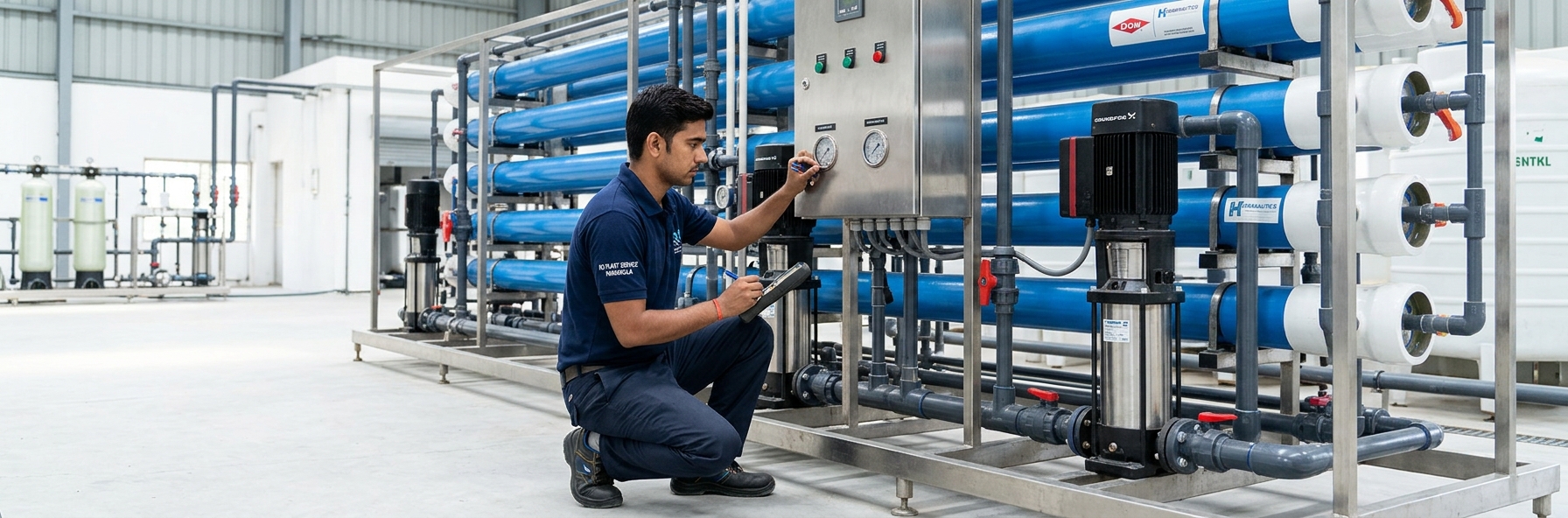
As the seasons shift in Panchkula, ensuring access to clean, safe drinking water remains a top priority for every household and business. With varying municipal water quality and potential for contaminants, your RO plant is a critical defense. Neglecting its upkeep can compromise the purity of your drinking water and lead to costly repairs down the line. If you're a resident or business owner, understanding the indicators that your system requires attention is crucial. Don't wait until issues escalate; prompt RO plant service in PANCHKULA can save you hassle and expense while safeguarding your health.
When Your RO Water Quality and Flow Are Compromised
One of the most common and noticeable signs that your RO plant needs attention is a significant reduction in water flow from the purified water tap. This often indicates clogged filters or a membrane that has reached the end of its lifespan. Over time, sediment, chlorine, and other impurities accumulate in the pre-filters and carbon filters, slowing down the purification process and putting undue strain on the system's pump. A struggling system will not only deliver less water but also operate inefficiently, consuming more energy and potentially shortening its overall lifespan.
A technician performing RO plant service will typically check the pressure in the system and the condition of all filters. Depending on the filter type and local water quality in Panchkula, pre-filters might need replacement every 3-6 months, while carbon filters last 6-12 months. This service not only restores optimal flow but also ensures efficient and effective purification, preventing the build-up of contaminants that could compromise your water safety.
If the clean, crisp taste of your RO water has changed, or if you detect an unusual odor, it’s a strong signal of contamination within the system. This could be due to bacterial growth, exhausted carbon filters failing to remove chlorine (resulting in a bleach-like smell), or a compromised RO membrane allowing impurities, including heavy metals or dissolved solids, to pass through. Such changes directly impact the quality and safety of your drinking water, potentially posing health risks.
Professional water purification service in PANCHKULA will involve a thorough inspection and water quality test. Technicians can identify the source of the taste or odor problem, which might require sanitizing the system, replacing specific filters, or checking for internal leaks that introduce contaminants. Addressing these promptly is vital for your health and to maintain the integrity of your purified water supply.
Total Dissolved Solids (TDS) are a measure of all inorganic and organic substances present in water. Your RO plant is specifically designed to significantly reduce TDS levels, providing purified water that is free from excessive minerals and pollutants. If you've tested your purified water and found the TDS levels to be unexpectedly high, it indicates that your RO membrane, the heart of the purification process, may be failing or severely clogged. An inefficient membrane means your water isn't being properly purified, and you could be consuming water with elevated levels of contaminants.
A professional service includes testing the TDS levels of both input and output water. If the membrane is found to be inefficient, replacement is necessary. The cost of a new RO membrane typically ranges from ₹2,000 to ₹5,000, depending on the brand and capacity, and is a crucial investment in maintaining true purification capabilities. This ensures the water you consume is genuinely purified and safe, upholding the primary function of your RO system.
Unmistakable Signals of System Distress and Overdue Maintenance
Your RO plant should operate quietly in the background, a testament to its efficient functioning. If you start hearing new, unusual noises—like humming that's louder than usual, rattling, clicking, or constant gurgling—or if you spot any water leaks around the unit, it’s an immediate call for service. Noises often indicate issues with the booster pump, solenoid valves, or loose components, all of which can lead to system malfunction or complete failure. Leaks, even minor ones, can cause significant water damage to your property, waste water, and signal a more profound problem within the system's plumbing or housing, such as a cracked filter housing or a loose connection.
An experienced service professional will quickly diagnose the source of the noise or leak. They can repair or replace faulty parts, tighten connections, and ensure all components are functioning correctly to prevent further damage to your property and the RO unit itself. Ignoring leaks can escalate into costly repairs, mold growth, and potential electrical hazards, making prompt intervention essential.
Proactive maintenance is the cornerstone of a reliable RO system. Most manufacturers recommend regular servicing, typically every 6 to 12 months, depending on usage and the unique characteristics of local water conditions in Panchkula. If you can’t remember the last time your system was serviced, or if you know it’s significantly overdue, it’s high time to schedule RO maintenance services. Just like a car needs regular oil changes and tune-ups, your RO plant requires periodic checks to perform optimally and safely.
Regular maintenance involves a comprehensive review, including checking filter integrity, evaluating membrane performance, testing water pressure, and sanitizing the storage tank to prevent bacterial growth. This preventive approach helps identify potential issues before they become major problems, significantly extending the life of your unit and ensuring consistent water quality. Skipping routine checks can lead to premature system failure, unexpected repair costs, and, most importantly, compromised drinking water quality for your household or business.
Proactive Steps for Optimal Water Purification and Lasting Performance
Whether you’ve just moved into a new home or business premise in Panchkula, or you're upgrading your existing water solution, professional RO installation is critical. Proper installation ensures the system operates efficiently from day one, minimizes the risk of future leaks, and maximizes its lifespan. Similarly, if you're relocating your current RO plant, it needs to be carefully dismantled, transported, and reinstalled by experts to prevent damage and guarantee correct functioning in its new environment. Attempting a DIY installation or relocation can lead to improper connections, reduced purification efficiency, and even voiding your warranty.
An RO installation typically takes 1-3 hours, depending on complexity and plumbing setup. Before booking, confirm that the service includes all necessary fittings, thorough pressure testing, and a demonstration of the system's operation. Ensuring a professional setup from the outset minimizes the risk of operational problems, maximizes your system’s lifespan, and establishes a foundation for consistent, pure water delivery.
Beyond specific, visible issues, a general unease about your water's purity is reason enough to call for professional help. Perhaps you've heard about local water advisories, noticed recent changes in municipal water supply, or you simply desire an extra layer of reassurance that your family or employees are consuming the safest water possible. Regular testing and comprehensive service provide that crucial confirmation, addressing any underlying concerns about invisible contaminants.
Opting for a thorough water purification service in PANCHKULA means a professional can assess your specific water challenges and ensure your RO system is optimized to address them effectively. This holistic approach ensures not only optimal functionality but also provides strong assurance that your water consistently meets the highest safety and cleanliness standards, protecting the health of everyone who relies on it.


Comments
Post a Comment