Your Sewage Treatment Plant Checklist for Optimal Performance
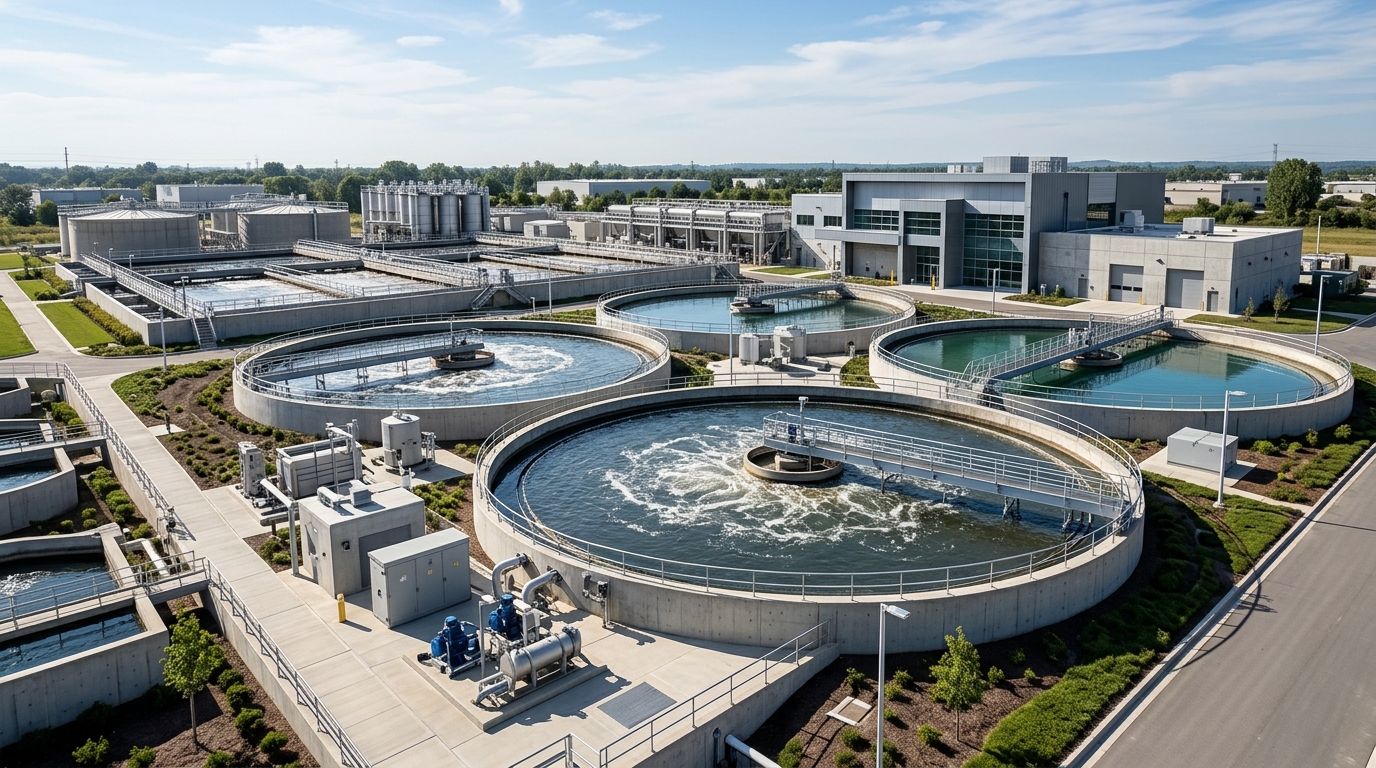
Dealing with wastewater responsibly is a critical concern for many property owners, especially those not connected to municipal sewer lines. A properly functioning sewage treatment plant isn't just a regulatory requirement; it’s essential for environmental protection and the well-being of your community. Ensuring it operates efficiently can prevent headaches, odors, and costly repairs down the line. To help you manage this vital system, here’s a checklist designed for effective maintenance and smart choices.
Making Informed Decisions for Your Sewage Treatment Plant
When you’re investing in a new system or upgrading an existing one, the quality of your supplier matters immensely. Research different sewage treatment plant manufacturers to understand their track record, the technologies they employ, and the extent of their post-sales support. Always ask for local references, especially here in Jaipur, to gauge real-world performance and customer satisfaction. A manufacturer with proven expertise will offer robust, long-lasting solutions tailored to your specific needs, whether for a residential complex, an industrial facility, or a commercial establishment. This initial diligence ensures you get a system built to last.
Beyond the choice of manufacturer, understanding the full financial commitment is crucial. The overall sewage treatment plant cost involves more than just the initial purchase price of the equipment. You must factor in installation expenses, operational costs (like electricity consumption, potential chemical reagents), and routine maintenance services. While a basic compact system for a small property might start from INR 1.5 lakhs, larger, more advanced units can easily run into several lakhs, depending on capacity and complexity. Always request a detailed, itemized quote that outlines all potential expenditures upfront. A transparent breakdown helps you budget effectively and avoid any unwelcome financial surprises down the line.
A significant factor influencing both cost and long-term efficiency is the plant's design. The primary goal of any sewage water treatment plant is to process wastewater effectively and safely, returning clean water to the environment. Modern systems often incorporate advanced biological processes, such as sequencing batch reactors (SBRs), or membrane bioreactor (MBR) technologies that offer higher treatment efficiency, require less space, and result in lower sludge production. When considering an installation or upgrade, always inquire about the energy consumption of different models and the guaranteed quality of the treated water. A more efficient system means not only better environmental outcomes but also potentially lower running costs and less frequent maintenance over its operational life.
Partnering with Experienced Professionals for Reliable Service
Once initial decisions on manufacturers, costs, and design are made, selecting the right professionals for the installation, repair, and ongoing service of your system is absolutely crucial for its success. Experienced stp treatment plant companies not only possess the deep technical understanding required for these complex systems but also have intimate knowledge of local regulations and environmental guidelines in areas like Jaipur. They can provide invaluable advice on optimal system sizing, assist with necessary permits, and offer swift emergency response when issues arise. Always look for companies with certified technicians and a strong, verifiable reputation for reliability and excellent customer service.
Beyond just the initial setup and emergency repairs, reliable and accessible ongoing support is a vital component of successful wastewater management. Different sewage treatment plant companies offer varying levels of after-sales service, which can include comprehensive annual maintenance contracts (AMCs), rapid-response emergency repairs, and ready availability of genuine spare parts. Before committing to a provider, carefully compare what each company includes in their service packages. A robust and responsive support system ensures minimal downtime for your plant and helps maintain its consistent operation, thereby safeguarding your significant investment and protecting the environment.
Proactive Maintenance for Optimal Performance and Longevity
Ultimately, even the best system requires consistent care. An stp plant requires consistent care to prevent operational failures, ensure optimal performance, and comply with all environmental regulations. Warning signs like unusual odors emanating from the system, slow drainage in connected facilities, or murky, discolored effluent indicate a potential problem that needs immediate attention. A typical professional service check, which might take anywhere from 2 to 4 hours depending on the system size, often includes critical tasks such as sludge removal, filter cleaning, and system calibration. Regular, scheduled maintenance by experts can significantly extend your system's lifespan and consistently keep your discharged sewage water treatment plant effluent clean and safe.
Related Posts
- Is RO Water Purifier Service Vijayawada Worth It? A Cost-Benefit Breakdown
- Understanding RO Service: Essential Maintenance for Your Water Purification System
- The Essential Guide to RO Service for Clean Water at Home
- How Hard Water in Vijayawada Affects Your RO Purifier
- When Should I Change My RO Membrane in East Godavari?


Comments
Post a Comment